Jan Erin, good good afternoon. Guten Tag. How are you? Where do I find you at the moment?
Erin Nayler Guten Tag, I am good, thank you. I'm in Sydney right now.
Jan same here. I guess for both of us it's the worst time of the year in Sydney because it's like a bit of winter, it's cold, especially as a footballer, it's rainy. it's not the nicest time. But I guess from my perspective from Germany, you playing in different countries, especially colder countries, I guess we should be used to it. very excited to have you on board for the episode today. We're gonna talk about your career, about where your career took you, the transition now from Coming back to Australia and then the parts of like, yeah, the reflections around what has c your career given you, but also what is the next stage of your life gonna look forward or gonna look like. before we jump into it, I always like to give my guests the opportunity to introduce themselves. Yeah, who is Erin Nayler?
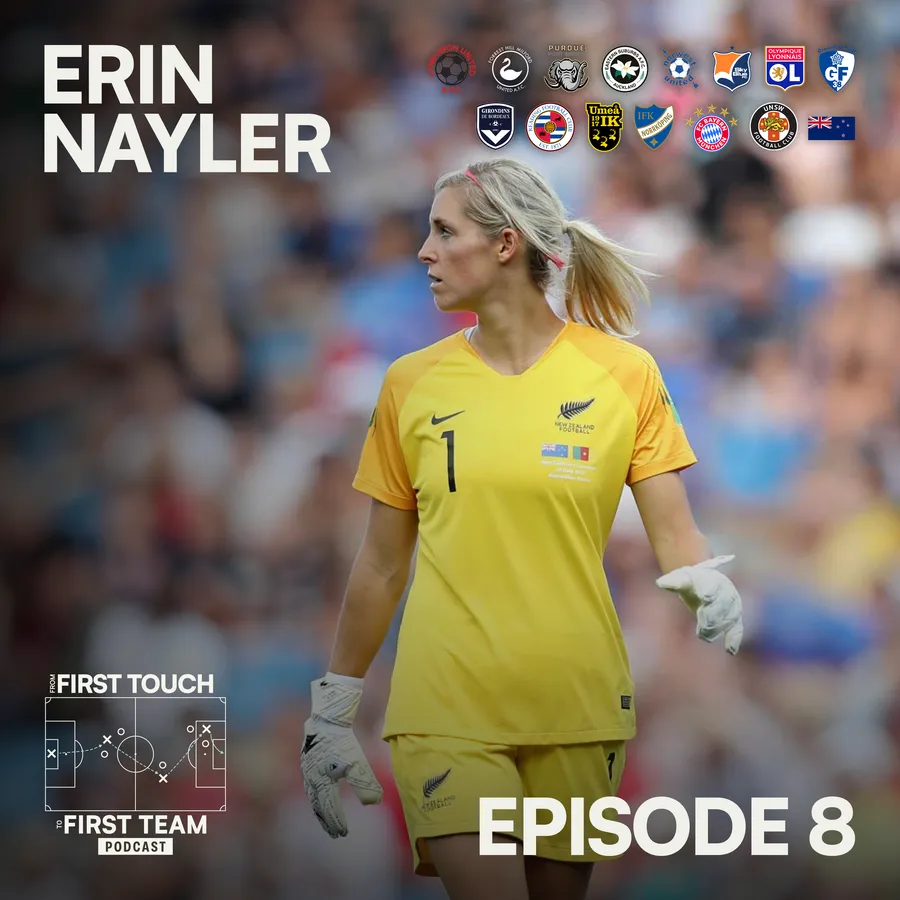
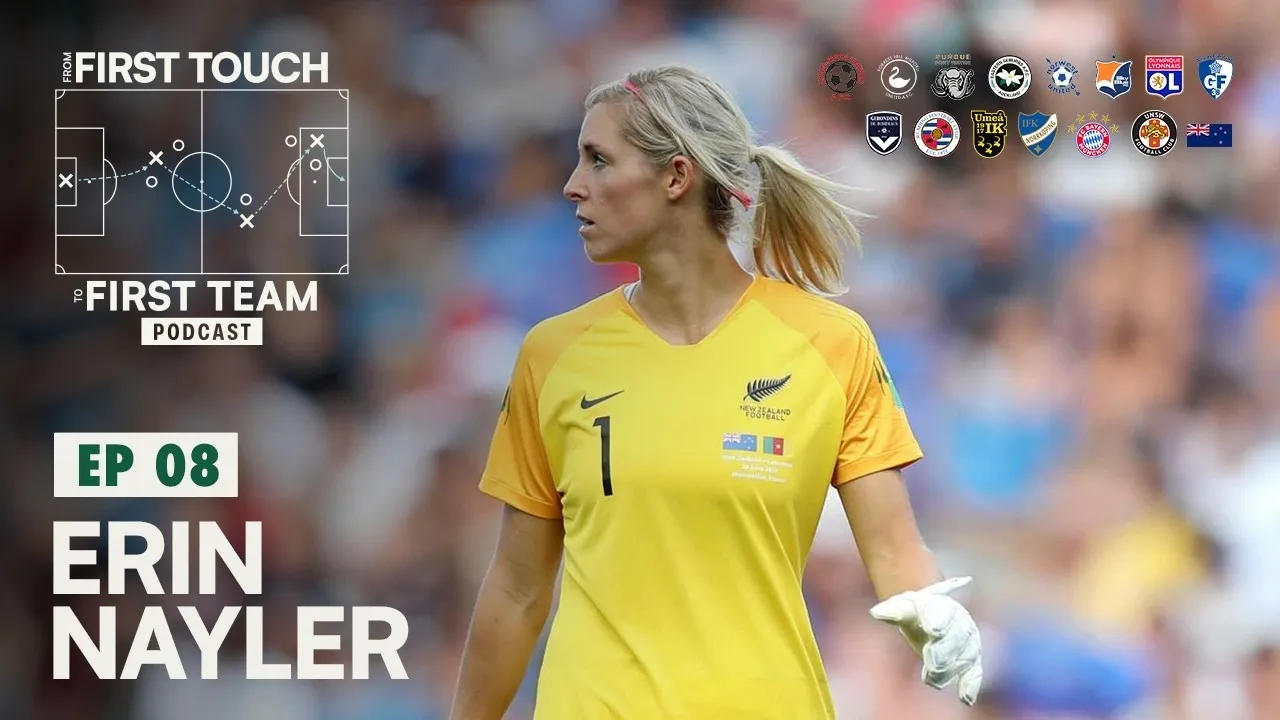
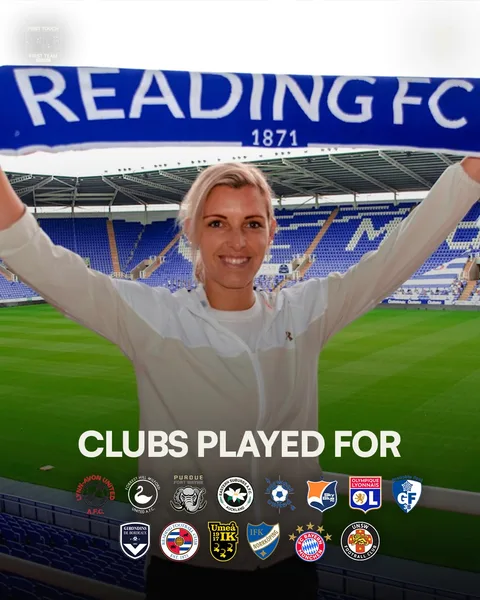
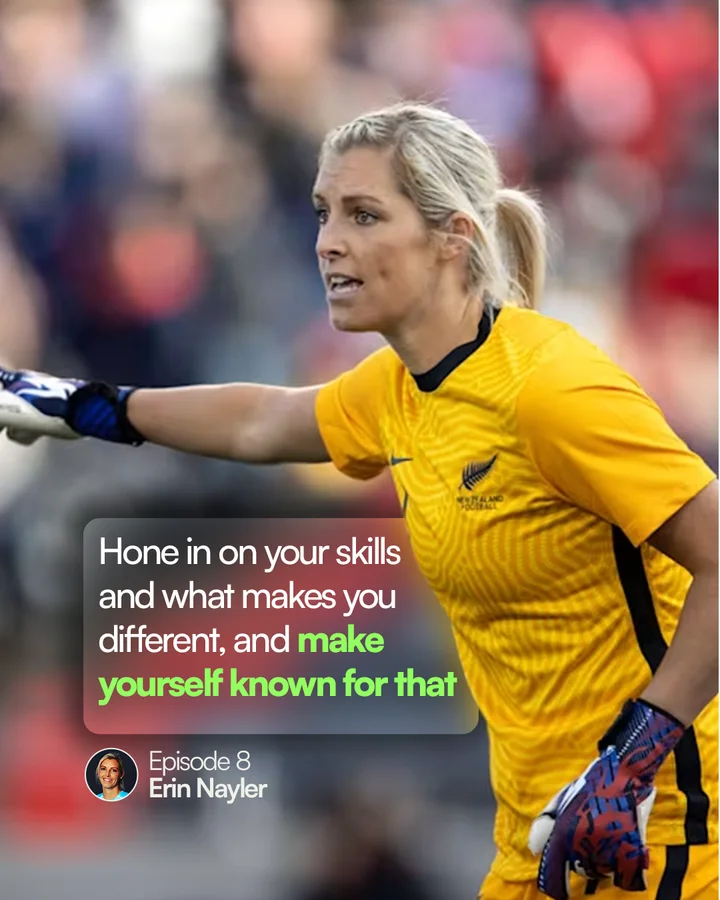
Erin Nayler I am a professional goalkeeper or a former professional goalkeeper. I played for the New Zealand national team. I have about 85 caps for the national team, and I spent 10 years of my career in Europe. So I lived in France, Germany, Sweden, England, America, and now I'm back in Australia, which is a bit closer to home. But now I have retired or semi-retired, and now I'm playing. For the NPL in the Sydney League or New South Wales League.
Jan Yes, there's the the first connection that we both have, besides like me being German, you're playing in Germany, but obviously you're playing for UNSW now. I spent my last two years playing at UNSW on the men's side. So we're gonna get into that topic later in terms of what UNSW is like and the NPL here in Australia. Take us back in time. what was your first contact point with football? What was your first touch like?
Erin Nayler Well, I started playing on the field, as most goalkeepers do, but I didn't start playing until I was about nine. my brothers played and my dad was coaching, so I'd just turn up for for training sessions and then really enjoyed it. and then found my way into my own team and got thrown in goal as every kid does and had a great game. and those tiny mini goals. So I managed to make a lot of saves and my dad was a coach at the time, so he was pretty harsh and I never got player of the day before that. and then I got player of the day after I was in goal. So he definitely recognised the talent when I was young and then from there I just stayed in goal and and really enjoyed it and yeah, made my way into the national youth teams and then into the professional leagues.
Jan So back in that time in New Zealand growing up there, what was football like back then?
Erin Nayler it was not as big as it is today. there wasn't any dedicated girls teams, so I was thrown into a boys team when I was about ten or eleven years old. I think there was only me and maybe one other girl on the team at the time. whereas yeah, nowadays you have girls teams everywhere. So there's definitely progressed.
Jan But I mean, from my experience as a coach, I would say for a lot of girls that are very talented, usually say f the longer they can play with boys, the better. would you say that's something you agree with still till today?
Erin Nayler Yeah. Yeah, I still agree with it. I mean, I think it just it's more of a mindset. I think back then I I loved to stop the boys from scoring because they were quite surprised that a girl could yeah, stop them from scoring. so I remember one game and the boys were getting really frustrated and I just I loved it. I loved yeah, making them like annoying them basically and and diving around, diving in the mud and I think just because there's not too much of a difference physically at that age, but I think it's more of more of the mindset.
Jan Yeah. Was is there any like goalkeeping talent in your family or are you the first goalkeeper that made it to that level?
Erin Nayler Yeah, I mean my brothers they followed suit and they went into goalkeeping too. My dad was a a centre back. so he didn't yeah, I can't credit him for for our ability. but I remember I do credit him for I remember him dragging out a mattress 'cause we had a a football goal in our backyard which was very lucky and he bought out a mattress and me and my brother we were trying to learn to dive as high as we could, so I think a lot of our explosiveness came from that that one session. But yeah, both my brothers went on. I think my second oldest brother, the one below me, he went into the age group teams but didn't go to any World Cup, so he was in the wider wider squad. So yeah. I was missed. Yeah.
Jan Okay, you're already giving us a little hint hint of like where where where you ended up going. take us take us maybe through the next few years, you're like starting to play, you're figuring out, I'm actually quite good at goalkeeping, playing with the boys, how they'll understand the transition happened from playing with boys, maybe going into girls teams and then already youth national teams.
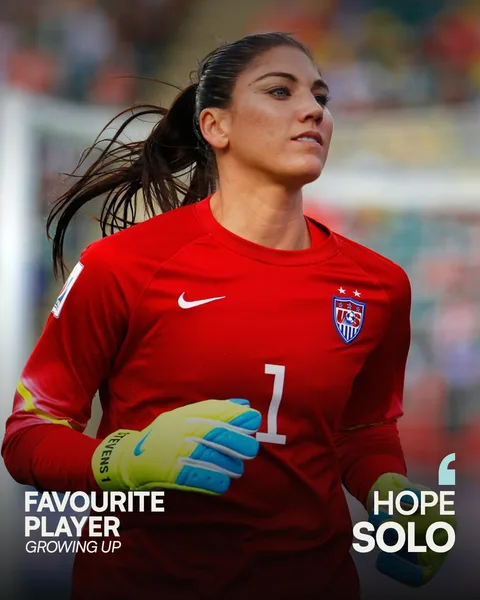
Erin Nayler Yeah. Hm. So I got p I got recognized by a few of the rep teams and went away to some national tournaments and then I got pulled into the under seventeen Women's World Cup squad. So it was a wider squad at the time. but back then I didn't really have any confidence. So I I was very, very nervous, would make a lot of mistakes and didn't make the squad. and then the same the next cycle came For the under twenties, same thing happened. I still wasn't confident. I think I put too much pressure on myself. And I remember we'd have training games every Tuesday night for this this under twenties team and I had a terrible game. and I remember one of my defenders scored a crazy own goal, which didn't help my situation. But I remember the guy the goalkeeper coach sitting down with me afterwards and saying, You know, you're not gonna be selected for this World Cup, like you're probably not there yet. he was like, You're probably sitting fourth or fifth choice goalkeeper. and as you know, three goalkeepers go to the World World Cup. And he was like, But keep pushing and you never know what could happen next time. so from then I sort of didn't yeah, didn't think I was gonna go anywhere. Didn't know how I was gonna come out of my like shell really. I didn't enjoy playing, like I didn't like it at all at all. I'd get anxiety. but then my dad I remember him saying, you know, you could go to college on a scholarship in America. So that became my next goal and I was so motivated by that. and I from that I I think I started watching college videos and then found out about Hope Solo, one of the the women's US coopers, and then sort of looked up to her as a role model and would watch YouTube videos and I was like, Okay, I'm gonna try and play like her. And then I just progressed and found my confidence and ended up going to the next under twenty World Cup and was second choice goalkeeper right up into the tournament. And then the day of the opening game I remember them putting my name up on the screen as the starting goalkeeper, which is a bit of a shock. So I wasn't prepared for it. but had a good tournament and then from there on went into the national team and was number one goalkeeper for the football ferns for I think it was twelve years I spent with them travelling all over the world.
Jan Well Well, amazing. So would you say that just like that little bit of mindset shift of like rather than having the end goal of being like I'm gonna be number one goalkeeper, being like, Okay, I'm working towards playing college football, now have like a role model, hope solo, I'm working towards becoming what I could, that that changed in terms of yeah, the stress and the pressure you put on yourself?
Erin Nayler Yeah. I think I always had like the ability, like the athletic ability. Like I was always very explosive and had a lot of good attributes and my height as well. But it was definitely the mindset that I was lacking in that confidence. So I think having a goal, taking a lot of pressure off myself to perform in these top environments, but looking for a yeah, like finding joy in okay, I can go to college and get an education, like I don't have to be the best of the best. and then just using that and being confident and like I always with Hope Solo as well, something that she would do that I recognized was she'd always look confident. So when I'd walk onto the field I would look confident and as I now know, that helps a lot with mindset. Like it helps you Yeah, play a lot more confidently. So
Jan Like obviously I'm from Germany, so I have no idea around like what the game was like here in Australia and New Zealand back in the days. Like we are nearly similar age when when when we were growing up. But one question that comes to my head is when you were still playing in New Zealand, was that then already women's first grade team? Was that still like under seventeens, under nineteens? What was the level like? What was trained like? Did you guys train, I don't know, three times a week? Was it already full professional? Like what was it?
Erin Nayler Hm. So in the club environment, when I was growing up they had a one really good women's club team and that's who I played for, Lynaven. And they had basically all the women's New Zealand players in their squad, so they were winning everything. but at that when I was growing up, yeah, we had under seventeens, under twenties, and then a national team. So there was like a pathway there to get to the to the women's team.
Jan Okay. Yeah. And then would you say back then, was there the the idea or the thought for every single female players like, Okay, I can make a professional career? Or was it back then more like, Yeah, we see how far I can get, but it's not really realistic to earn money with playing football?
Erin Nayler Yeah, I think it was a lot less common. I remember there was like maybe two or three from that national team that I looked up to that actually went overseas and played and back then it like, Wow, this player's gone over there and played. or played for Arsenal, I think Amber Hearn was one of them. Or Man City and it was just like a an a really rare thing and an amazing thing, but it didn't it seemed like only the very, very best players would would get to that to that level. But now as you know, the opportunities are there's a lot more opportunity, a lot more women's team, a lot more professional teams, so yeah.
Jan Yeah, no, I think I had like another guest Chiara on episode one of the previous episodes and she was talking about as well when she was growing up that it didn't feel like becoming a professional female footballer was possible or earning the money of it. and like we spoke about that like it has changed all across the globe, it's amazing. then let's talk about the next phase for you. you then went to the US, right?
Erin Nayler Yeah, so yeah, that was my very first contract, was going over to Sky Blue. so a lot of my career was very up and down and that was one of the downs. So I went over back the contracts in the US were crazy and you could get basically you signed the contract but they had all the rights so they could cut you or trade you whenever they wanted. so I went over there for three weeks, didn't even play a game, moved my whole life, took a lot of yeah, it took a lot of like thought and planning and consideration to even get there in the first place. so I spent more time prepping than what I did
Jan Okay.
Erin Nayler what I spent over there. I was there for three weeks and then they were like, Okay, we've we need we've got another goalkeeper 'cause I think a US goalkeeper had come in or something. So then I was sent home packing my bags. It was it was crazy. So I wouldn't I sort of cut that off my my resume 'cause it didn't really count.
Jan Yeah, well. So then meant you had to go directly back to New Zealand?
Erin Nayler Yeah, I think we went straight back to Austral I went straight back here actually to Australia because we had a game. or we had a couple of games against the national team. So it came straight here.
Jan So okay, then we don't if we don't wanna consider this first contract your first professional contract, what what was then the actual first contract that felt like wow, I was part of a squad that was actually there throughout the whole season?
Erin Nayler Huh. Mm. I think Leon, Olympic Leon was my first big contract and at the time I like I don't think I was aware of how big that team actually was. So they were the best women's team in the world at the time. Yeah, I played in Olympic Games, I think it was two thousand and sixteen and our last game, group game, was against France. and then it was a couple of weeks after that that Olympic Leon, who are a French team, called me.
Jan yeah.
Erin Nayler And said, would you want to come over as as one of the goalkeepers, one of our goalkeepers for this season. So that was a cool experience. Again, like very I was very fresh into the environment. So it was like I was like, what is going on? I think I was nine no, maybe a little bit older. Maybe twenty, twenty one. Yeah. So and everyone was speaking French. Like it was I was just throwing into this new world of very, very good footballers. So
Jan How old how old were you? Okay, so very young.
Erin Nayler it was definitely a challenge but it taught me a lot about European football and the way that they play.
Jan Was already back then for women's like did that move get facilitated by an agent or was it more like you got contacted directly from the club and you just had the conversation with them and your parents or how how was that?
Erin Nayler Yeah, that was through an agent. so I'm not sure if the agent came to me then, but that's how I met my agent who then stayed with me throughout my career basically. But he called me and he was like, You've got like three days to decide And I was in New Zealand at the time and I was like, my gosh, I have to move all the way to Leon but it was such a good opportunity and it was the start of my professional career, so yeah.
Jan Okay. Ca can you take us back to that moment when you found out like, okay, I'm gonna sign professional contract, what did that feel like? Who d who was the first phone call to, who did tell tell you first?
Erin Nayler Hm. I told my parents first of all. I it was like a dream come true for me really because when we'd played in France I thought I remember thinking how amazing it would be to play in this country. just because it was so I don't know, everything you see on TV and the Icon Tower, Paris. So it was super exciting for me. So I like, I always want to play for a French team and then when a French team came to me then Yeah. It was just a dream come true.
Jan Yeah. And then you became one of these players that you as a younger player looked up to and said, like, wow, they actually moved over to Europe, they're playing in Europe now, then this became your reality. maybe take us through that that next phase, what would you say was was the best part, and maybe also what were the one or two biggest challenges that you faced?
Erin Nayler Yeah, I think the best part was just living this life in a new country, with the best players like I think we had Wendy Reynard in the team, Sarah Buadi, who was one of the best goalkeepers in the world at the time. but of course, like as a goalkeeper that doesn't play, that's always a challenge. So That's usually what happens to goalkeepers more at the start and end of their career. so it's quite a challenging time but for me because it was at the start of my career I just tried to absorb and learn as much as I could. and then from there I went on to Bordeaux, so that led me into Bordeaux, another French team, and then I got a lot more game time there. but I was able to apply what I'd learnt in Leon to this team and Bordeaux who were in the same league but a bit further down the table, but Yeah. I liked playing. I love the French way of of playing, very technical and and skilful. Which wasn't me but I enjoyed learning from them and being around it.
Jan I mean the the good part is as a goalkeeper you don't necessarily need to be the most technical player on the pitch as long as you know what your role is and that's like protecting the goal. so people could could think like okay, you went from the biggest team in French to then like a lower, lower team. but that's also one part of the the conversations that I wanna have through this podcast is saying, Okay, sometimes you need to take one step back to then actually progress again. Because at some stage in your li in your career, right, you were then
Erin Nayler Yeah. Mm. Mm.
Jan Maybe still what 21, 22, you need to actually get game time rather than just be training and just sitting on the bench. with all of this knowledge that you have now as a goalkeeper, what would you say as a maybe a first advice to young goalkeepers out there that find themselves in a position where they're like, they're maybe the second goalkeeper, the third goalkeeper, that they really want to play, what would you say to them?
Erin Nayler Yeah, I I would definitely agree with you on that and say go where you're gonna get game time. because that is where the biggest lessons are learnt and how you learn to read the game. so that's why goalkeepers in particular are more experien like the more experienced ones are of like usually the better ones, the older ones are more experienced. That's why goalkeepers peak a bit later in their career. but the more game time you have, I think, the quicker you can get to that level. I think And yeah, I think dropping down or finding a team where you're gonna get a lot of game time is definitely the advice I would and even for players as well, I think it's very, very important. Yeah.
Jan Yeah. Yeah. Yeah, a hundred percent. So if you reflect on that time now from playing now professional, but thinking back about your youth, is there something in terms of like the way you were as a goalkeeper, as an overall player, is there something that you would now, if you could go back in time, put more emphasis on or would pay more attention to in terms of training ability?
Erin Nayler Mm. Yeah, definitely footwork. So I never really like the way that we were taught. I think the game like a lot of y young goalkeepers train us now anyway, but just doing a lot more with the feet. Left foot, right foot. like nowadays we have to play out and be expected to yeah, be part of the back line basically. a lot more.
Jan Yeah.
Erin Nayler So I think that was the biggest wake up call moving to France. I was like, I was so bad of my feet because I had sort of survived my career by just, you know, kicking it long whenever there was any risk around. which I think was also part of being in the New Zealand side as well. We didn't play too much at that time. So I would definitely say, Yeah, keep just work on that. Play like when you have the smallest side of games and the what's it called? Rondos. Like join in with the players 'cause it helps a lot.
Jan Yeah. Yeah. I mean through through my coaching experience, like especially in the young age because we usually say like let's throw the goalkeepers every second or third session into a normal team training environment, leave it even let them play in the field so they can just practice every single position that they can understand, what does a striker feel like? So then when they can transfer it into being a goalkeeper again, it just becomes maybe a little bit easier. So Let's go into that next phase. You've been like moved to Bordeaux, you're playing over there. What does the next phase of your career look like? What is maybe a next learning, a next challenge? what happens?
Erin Nayler Yeah, so Bordeaux, this the it started out really well. I played a lot of games. They I originally signed for one year and then they signed me for two more years. and really, really enjoyed it. Made some really good friends during that time. and then after that I sort of that's when COVID hit actually in twenty twenty, I think it was. Right, yeah. So that was really challenging. because
Jan Yeah, yeah.
Erin Nayler I mean at that point in my career I wasn't actually playing so much for Bordeaux anymore anyway. They were playing a French goalkeeper. So I wasn't having the best time of my life there at that time. COVID hit and then we all basically just flew home. But for about four or five months we were still on contract. I was back in New Zealand, but they kept saying, you know what, any minute we're gonna fly you back over 'cause we're gonna resume the league But it was always like always yeah a never
Jan I know, it it was a crazy time.
Erin Nayler Yeah, yeah. So I was always thinking, Okay, I've got to be ready, staying fit. but then nothing you know, my contract was over by the time COVID was over. So yeah. And then after that, that was when Reading I got a contract with Reading in England. So that was while I was back in New Zealand. was quite a good salary. And so yeah, basically I think it was in COVID I left for that because the English league was still going.
Jan Okay. Yeah. With all the crazy measurements and no fans and like it's crazy to think about that right now, right? It's like it's a different different world.
Erin Nayler Yeah. Yeah, it was crazy. It was so crazy. but again, Reading was not a great that was also not a great time. So my professional career, like I said, it's had a lot of ups and downs. but I think when I look back on my career, my national team experience was definitely the highlight of all of it because that was years and years of yeah, just incredible experiences and a lot of game time. But anyway, went to Reading. wasn't it was yeah. A bit of a nightmare really. There was a lot of politics and just not a good environment to be in. I won't go into too much too many details. Not to call anyone out. Yeah, but I was just
Jan Okay. Yeah, no, that's fine. We don't have to go into detail, but I think you're making you you Nah, this is also this is also not what this podcast is about, but I think it's a good statement for me to say, like, hey, even when you're arriving at the professional level as a player, there can always be things that can go your way, but it can also go the opposite, and you also always have to find a way to adjust and adapt. And and sometimes that means pushing through, sometimes it means finding the next challenge. before we go into that next part, maybe give us a little bit more insight around what was it like to represent New Zealand at different tournaments, two World Cups, Olympics. maybe give us the one, two, three, whatever you have biggest highlights.
Erin Nayler Mm. Yeah, yeah, it was amazing, amazing. So I mean like my best friends are on the team, so it was always amazing to travel with them, have those experiences. highlights, top three would be well, one of them is just going to so many random places around the world and playing games against all these different countries. Papua New Guinea, China, so many places, little tiny towns that was just so eye opening. but
Jan Yes.
Erin Nayler Yeah, just cool experiences. Met so many cool people, awesome fans, Japanese fans were the best. just super, super cool and humble and friendly. but biggest highlights would be World Cup Canada opening match. We played we played against Canada. that was the game that I got played out of the match, so that was like highlight for me. really fun game to be a part of. Olympic Games as well. Really cool experience going into the village in Rio de Janeiro. So the first yeah. It was like the Hunger Games. Like everyone was walking around different suits and then the whole the food hall was awesome. Like there was so many things to choose from. Free McDonald's, which is what athletes always rave about. so that was a highlight. And then I guess the third one would just be like playing at home, like the home games that we had, because
Jan Yeah, wow, amazing.
Erin Nayler We don't get too many games being from New Zealand, like countries don't really come to us. but when they did it was awesome because my family and friends could come and yeah, I think we played I remember playing my favourite games they were playing against Brazil. in horrible, horrible weather, but I think we won the game. I think it was one nil, so that was a highlight as well. Yeah. So yeah, yeah, that was a lot of fun.
Jan So even a clean sheet against Brazil. now that you mentioned family, obviously you had to move far away. New Zealand is probably the one of the furthest places from Europe. you spent time in a lot of different countries. as you said, there were some challenging times in different clubs. How did you deal with that being away from family, not maybe being able to call home because time difference is always a challenge? What would you say? How did you overcome that part of your your everyday life being separated from family, friends?
Erin Nayler Mm. Mm. Yeah, so I sort of got used to it being away for so long. it was hard though, like I missed out on a lot of a lot of things with family. I also I'm not sure if you know this, but I lost my mum when I was in France. So that was really hard. the club were quite I'm not gonna say reluctant to let me go, although they were so it was really hard because they were like, Well, you can go back to New Zealand and see her and then come back again and play and I like, Well, it doesn't really work like that because like it's a lot of travel. I can't just go back every week. It's not like I'm you know, in another European Yeah, so that was really tough to deal with. but yeah, a lot of lot of sacrifice goes into playing foot football.
Jan Yeah, you can't just fly twenty five hours.
Erin Nayler Which I think a lot of people don't really understand unless you're living that life. especially if you're from New Zealand or Australia, because we're so far away from many of the professional leagues. so yeah, miss weddings and birthdays and I remember coming back for the Olympics during Covid. It was my sister's twenty first and I was in those that lockdown hotel in in Christchurch I think I got
Jan no, yeah.
Erin Nayler So I just remember watching it on the iPad Like watching my sister's party and I was like, everyone was there and I was just locked in this hotel room having my dinner delivered to me. So that wasn't fun. but I guess yeah, just having every like being able to check in with everyone on video calls and and then having your own friends over in in Europe and what was really helpful as well was or really important to me was when I'd go with the national team. So every couple of months we'd all meet up and that was sort of like coming home in a way 'cause I had, yeah, my best friends and a lot of friends on the team so we'd always meet up.
Jan Yeah. And probably lot of these players that you played with in the national team, you knew them already since being what, 13, 14, 15? Yeah. Yeah. Yeah, I I think that's the the reality of like that players, especially like you said, players that are in New Zealand, that are in Australia, that maybe are in the US, that are dreaming of playing in Europe.
Erin Nayler Yeah, exactly. Yeah. Very young. Yeah. Hm.
Jan These are the the sites that unfortunately not many people talk about. The reality of being far away, missing out. Marcus Eunice, who was on an earlier episode as well, said that, hey, the biggest challenge I found when I first went over there is like when football didn't work and football was negative, I could not speak to anyone. I was by myself. The only thing I'll get back to is my own h like room, my own bedroom. And then you sitting there with your own thoughts. You have to find ways to have, yeah. Friends, wherever you go, you have to find a way to communicate with family, you have to find a way to yeah, find something besides football, that gives you and keeps you happy when football maybe sometimes doesn't work out.
Erin Nayler Yeah. Yeah. It's it's crazy because our whole which we'll touch on I guess a little bit later, but our as athletes our whole identity is tied to that, especially when you're moving countries all the time and you're having to, you know, integrate with a whole new group of a whole new team basically. But wherever you go, you're always the goalkeeper or you're always the player and that's how people know you. But you yeah, you c you can go outside of your world and or for the football world and make friends, although like
Jan Yeah.
Erin Nayler literally ninety percent of your time is spent in that football environment. So it's quite hard to make friends outside of it.
Jan Yeah. Yeah, especially with the w times that don't really work with like someone that's working nine to five because they're gonna be like you're gonna be like, I have time from one to three PM today. Like, yeah, sorry, I'm at work. Yeah, so then let's come to the last part, which I believe is you signing with Bayern Munich. That was like the last big contract playing in Germany. Were the Germans a bit nicer to you? Did they did they represent us?
Erin Nayler Yeah. Yeah, exactly. The times don't work at all. Mm. They were. Yeah, the jer that team was the best team. I again didn't get much game time, but the team environment was the best team environment that I've been in. actually aside from we missed one bit in there, Sweden, which I was in for three years. in Umio, Sweden, that's where I actually I played there for one year for Uico. but that was yeah, awesome experience too, being up there. so that was probably my favourite.
Jan Yeah.
Erin Nayler sporting experience or football experience, but then moving to Bay and yeah. I I had originally planned to retire in Sweden, so I moved back there after the World Cup and I was like, what am I gonna do? And I managed to get this job and this Asian kitchen chopping like vegetables or I went for the trial and they were like they actually said, you're a little bit slow, but they were like, We'll still hire you and I was like, great, okay. So I had sort of committed to that and then Bayern Munich called up and they were like, Our goalkeeper's injured, our third goalkeeper or one of our goalkeepers, and we really can you come over here and like be available for the season? and I had just been coming out of injury myself, so I had like some hip issues which put me out for a few months and I only just made the World Cup team. So I was a bit up in the air about it and I told them that and they flew me over and scanned me and they said you'll be fine. can you sign for us? So my options were okay, like go back to this kitchen where I'm not valued or go and sign for Bayern Munich. So I yeah, I'll
Jan Who who knows how fast your hands would be now, right, if you have would have worked like it?
Erin Nayler I know. I think I was too like careful. Like I like, this one goes here like I was so slow like a sloth. But yeah, I went for buy-in, so I was there for one season. coming out of injury, so again it was challenging 'cause I couldn't really fully do everything and mindset wasn't quite there. But the experience of being in that club was incredible. again with some of the best players in the world, so and they really looked after us as players, so that was awesome.
Jan In terms of culture or team culture, was there like a big difference between Germany, France, Sweden, America, New Zealand?
Erin Nayler Mm, yeah, there wa there is a big difference. the one that I this isn't probably the best ex example, but Sweden, for example, we weren't allowed to have a bear after the game. we'd get in trouble. It was in our contract. Going to Germany, it was our team event to go to the Oktoberfest and have like a lot of bear. So d definitely lots of culture differences and rule differences. but yeah, France
Jan Good.
Erin Nayler The culture was very different, very closed, a lot of French players, Sweden a lot more open. So it was quite cool to go between these places and and adapt into different cultures. But yeah, quite different.
Jan Okay. Because we obviously missed out on that, or me missed out on that topic of Sweden. So we can just record that now and talk about that part because I feel like that's, that was an amazing time of your career where maybe there's more highlights. So let's, we're just going to blend into that and I'm going to cut that out in the, in the podcast episode. So, then move for you to Sweden.
Erin Nayler Yeah. Yeah. Yeah.
Jan How did that come about and what was that time like? Would you say that was one time where there was more highs than lows in the professional career?
Erin Nayler Yeah, so the Sweden experience, Umio Eco, Uico, they called me up. I was in America at the time, just travelling, and they wanted me. And at that point in my career I was thinking about what am I gonna do next? Do I keep playing or do I, you know, try and go into a a more stable job. but I was really drawn to the Swedish environment, so it was like very, very cold. I'd heard a lot of good things about Sweden as well, playing wise, like that the league was very good from a lot of players. so I yeah, signed a one year contract with them and had a great time. played every game there. was very different to anywhere else I've ever been. I think I played my very first game. Well, my very first game was
Jan Why?
Erin Nayler we had to train indoor first of all when we got there because it was darkness from I think it was two hours of daylight or three hours of daylight. So we trained indoors, freezing, freezing cold. Then we moved outside, we had our first game in the big stadium and it started to snow like crazy and I don't know how the game didn't get called off, but the field was covered in snow. They had to stop every ten minutes and like rake off the snow for us to keep playing. But that was I was in a sh like it
Jan Yeah.
Erin Nayler short sleeve shirt and shorts. And I remember
Jan And they're like, this goalkeeper from New Zealand, she'll be fine.
Erin Nayler Yeah, they were like, wow, those Kiwis are really tough. and I remember coming in and standing under the the hand hairdryer thing, the hand yeah, hand dryer and just trying to keep warm, like drying my shirt and stuff. So it was yeah, and we actually won that game and they were like the previous winners of the of the league. So the conditions definitely helped us, but it was a great ex it was a cool experience to be part of. But just that whole
Jan Did you play with an orange ball?
Erin Nayler Yeah, we did. They swapped it out for an orange ball. Yeah. Yeah. So
Jan Because I feel like no player in Australia has ever experienced that.
Erin Nayler No, I don't think so. But yeah, it was hot. I wouldn't recommend like it's awful to play in. It's not fun. Yeah.
Jan Yeah. I mean, nowadays I complain being a coach here that like now it's not really winter if you compare to Germany, but your feet still get cold. But then I always remind myself like, oh, these days in Germany where it's first raining, then it's snowing and you go into the pitch, the pitch is frozen and you're just like after 10 minutes wearing two pairs of socks, everything layered up and you're still cold. I don't miss that. I don't miss that part.
Erin Nayler Yeah. Yeah. No, it's different level of cold for sure.
Jan So, closing up the whole chapter around your professional career, first question, which was the best football culture? Which country?
Erin Nayler Football culture. I think England had the best football culture. Everyone was always around the EPL, you know, all the pubs would be watching the games, really like they live for football basically. the best culture to be a part of though, I would say would be I think Sweden or Germany were yeah. They were both my favourites.
Jan Germany mainly because you always had events where you would also have a beer with the team and go to the Oktoberfest. I guess that's an amazing experience.
Erin Nayler Yeah, exactly. It was a little bit more Yeah, we could do what we want a little bit more. Yeah.
Jan It's always funny when you see the picture of like obviously the Bayern teams when they go to Oktoberfest and it's like everyone's sitting there with their beer glasses like, the sub-German.
Erin Nayler Yeah. Yeah, yeah. Which was so illegal in Sweden, which is funny.
Jan Who were... What would you say? Who were the best players you played against and why?
Erin Nayler I think internationally as well.
Jan Yeah, everything included.
Erin Nayler Best players. L Lisa Le Sommer from France, she was always she was one of the best strikers I played against, I think. Alex Morgan as well. the whole US team basically, whenever we played them they were just stacked. So every player yeah, was was pretty unpredictable and yeah, could definitely yeah, the strikers could score, that's for sure. but yeah
Jan Yes. So you as a goalkeeper, because you're saying that, what made it so hard to play against them as a goalkeeper? What did they do differently to other players that you experienced that you were like, well, I have to stay so focused, it's so hard to defend them.
Erin Nayler Mm. I think first of all the speed that they play at, definitely. that's the biggest difference I notice. And then like just being unpredictable. So like scoring, you know, making it look so effortless, not you know, making it predictable that they're gonna shoot. so those ones that sort of catch you off guard, that's why you have to be focused throughout the whole game.
Jan Yes, not very good. So then the point came where you decided to retire from professional football. Was there one particular reason? Was there a moment where you were like, OK, I'm done? Or was it more like, OK, I'm ready for the next phase of my life?
Erin Nayler Yeah, I think I was just I'm just ready for the next phase of my life or at least to start building something beyond football. so yeah, I'm thirty four now. I sort of am thinking, what am I gonna do? You know, coming out of SWAT you or you if you've been in my position only been a professional for so many years, you don't have experience in anything else. so you have a lot of transferable skills as many athletes do, but when you're going up
Jan Bye.
Erin Nayler you know, for an actual job, that doesn't help you so much when you're going up against someone that has ten years or twenty years of experience in the in the field that you want to go into. So I thought I should probably get started on that. at that, you know, after buying coming out of injury. The last couple of years I guess I wasn't enjoying football as much as I had, when I was younger. So I think I was ready for something new.
Jan Okay. Then my last question on that. If we think back in our time, that young 10 year old you that just, you know, out of nowhere started to play, get thrown in goals, had an amazing first game in goals, got like picked playoff the match by your dad and be like, okay, I'm quite good at this. And then looking that young kid at your whole career, what would that 10 year old Erin say to you now in terms of like what you've achieved and what you've done with your professional career?
Erin Nayler Yeah, I think that ten year old would be pretty proud, like achieve things that I probably didn't think was possible back then. but it just goes to show like if you set your mind to things that you can definitely yeah, achieve anything really.
Jan Yeah. And I hope that's like a bit of an inspiration for a lot of players out there that like even coming from New Zealand being like in a country where football is not number one sport, same in Australia, that there are ways to make a career with the sport and that it's always worth giving it a shot but giving it your all. You then decided to retire from professional football, you now moved to Australia. What ultimately led you to UNICEF WFC and the NPL New South Wales?
Erin Nayler Yeah, so I was in Sweden and then came back to New Zealand. was living in moved back from th well, I like sort of saw my life in Sweden and then ended up back in New Zealand and was living in my old family home and I just felt this thought this is so weird to be back here when I'm thirty four. my brother lived in Australia. One of my brothers is a a pilot for Qantas, so he's living in Sydney and Marubra and He's always been trying to get me over here. So he was like, You've gotta come over, you'll love it. So came over for a bit of a holiday with my best friend and then I said, I'll stay on and and see just see what happens basically. No plan. And then sort of just I've got a bit of family. So stayed with them and it did around Marubra area and then yeah, Zoran reached out to me and and said, Do you wanna somehow he found out that I was in Sydney and said, Do you wanna play for us? And I almost said no, like I wasn't gonna play. but he convinced me, so he's a he's a good negotiator, but he did I'm glad that he did because I've really, really enjoyed playing football again. So loving the team and and loving, yeah, playing football and just without any pressure really. Just playing for fun, but at a competitive level.
Jan Yeah. Yeah. And I guess that kind of throws it back to what you said at the beginning when you were younger, when you wanted to break into the youth national teams, you didn't make it. You were putting so much pressure onto yourself that the performances didn't happen. And now at the end of your career, still like still playing football, you're super relaxed, you're enjoying it. And now I think you got selected two times player of the month as a goalkeeper. And now you're just enjoying football because I guess there's not you don't feel like there's a pressure of making it anymore because you're like, I've achieved that part. Would you say if you could, would you take that feeling back into like earlier years to just be like, just enjoy whatever happens happens.
Erin Nayler Yeah, definitely. I think I've always sort of had that mindset with the national team. but it's it's almost like having to prove yourself whenever you go into a new environment. And I think that's the pressure that I put on myself. So I think I tried too hard, yeah, to prove myself and then that's when ultimately you make more mistakes, you're not relaxed, you're not enjoying it as much. So yeah, I definitely would. Although I don't know how I do that 'cause it's very, very hard. it would take a lot of yeah.
Jan That's it.
Erin Nayler mind training I think to sort of get into that very relaxed state or especially when you're coming from New Zealand, you're not a name that people know and you're going into a Bayern Munich or a a Leon, it's quite it's quite hard.
Jan Yeah. Yeah. Massive respect for you to still going into these environments, making it in terms of playing there, training there, playing in these teams. Obviously you played in very big clubs in big footballing countries. How does that now compare to playing NPL football? How does the Australian environment compare to what happens in Europe from what you've seen so far?
Erin Nayler yeah, I mean it's very different. It's not as high a level, but I've been quite impressed by the quality of the games. and by the way we play as well. So at UNSW we do try and build out from the back when we can when it's on, and we do try and play a lot rather than just kick it long and and run. so I think I was like pleasantly surprised by the by the league. And Yeah, it's like I said, a lot more relaxed but it's still taken you know, everyone has the right mindset and still take it takes it very professionally, so it's quite cool.
Jan Was there ever the thought for you to be like, okay, maybe when I'm going back home in terms of New Zealand, Australia, maybe I'm going to try to play in the A-League for my last one or two years?
Erin Nayler Yeah, I have always thought about that and it's come up many times during my career, but I just wasn't quite ready for it. I've actually had a little bit of interest in the A League from the NPL for next season, but I don't know what I'm gonna do yet. I think at this point in my career, like I said, it's nice to have a little bit of of time away from football and it's the summer, so it's it's a little bit it's hard. It's like I wanna do both, but at the moment NPL is is giving me everything I need, so yeah, we'll see. We'll see what happens.
Jan Yeah, fair enough. In terms of the NPL, it's a strong league, it's the highest league that is not professional in the country. There's a lot of young players in there as well that are like floating in between NPL and A-League. What would you say from the level that you've seen, especially of younger players, do they have the chance to...
Erin Nayler Mm.
Jan make that progress into Europe to bridge that gap? Is there talent around? What would you say? Where is the state of the female football here in this country?
Erin Nayler Yeah, I definitely think so. I think there's a lot of young talent coming through, that I think could even potentially maybe with a little bit more time and and experience go into the the professional leagues soon. I think, like Poppy Channing and our team, she's consistent, solid defender, fast player, and so young. So she has a lot of years to to sort of keep working on those skills and learning from mistakes and and Yeah, getting better and better. So and I see it every single game, you know, she's improving, she's learning, she's taking the pressure off herself. So players like that I definitely think have the ability to move into those leagues.
Jan think the big challenge sometimes that I've seen over the years living here in Australia now as well that kind of something that you said is like, whenever I went to new team in Europe, they were like, who is this goalkeeper from New Zealand? Because everyone here was like, New Zealand, Australia, they're not footballing countries. What will they know? How good will they be? But sometimes I feel like that's challenge of that. Maybe there are players here in the system that have the potential that if they would wear the jersey of Olympic Lio or Bayern Munich and would just rock up to training.
Erin Nayler Mm.
Jan that they maybe would fit quite in, but because they're not wearing the jersey, they're not seen as like a player of that caliber yet, they will maybe never get the chance or never will see themselves getting to that level because they are just playing in Australia, they are just playing in PO. Is there one advice you would give young players out there here in Australia or even in New Zealand that are on the journey of how to overcome that challenge and also how to keep thinking long-term?
Erin Nayler Yeah. Hm. I mean, it's hard, but I think just keep like yeah, believe in your ability and keep working on things that you need to work on. but keep strengthening obviously what you're good at. Like use your strengths. So when I went into Leon, like my strengths were my height, my corners, you know, take the parts of your game and really like take them from being good to international level. So those parts of your game are what's gonna make you stand out. And then the parts that are a little bit behind, you know, you can work to bring them up to a good level. but yeah, really just like hone in on your skills and what makes you different and make yourself known for that.
Jan Yeah, very good. And I think that's like a big message to all the players out there to say, you need to believe in yourself, but you also need to be realistic and know what you should be working on. And if there are coaches in your corner that are trying to encourage you to do that, take that advice, take the advice from players like yourself. I believe some players in your squad will probably also look up to you and say like, hey, what do you think? What is something that maybe I can improve?
Erin Nayler Mm.
Jan Where did I go? The last question in terms of football in Australia. What would you say from what you've seen around now in the NPL, obviously the A-League, the Matildas, what is the disconnect between the Matildas being on the big scene, there's a lot of players that playing in the biggest leagues in the world, to then the league here, the A-League doesn't have that many visitors, the NPL doesn't have that many spectators. but we are living in a city of five million people in Sydney. Why does the game not yet is able to transfer the success of the Matildas and excitement of that because the stadiums are always full to then the local game not being as much supported.
Erin Nayler Mm. Yeah. It it's a tough question. I think you sort of said it then in your question is that it's not supported. So I think I think there needs to be I was talking about the talking to my goalkeeper coach the other day about it, but you know, the sports that are successful and do well in the leagues they have that backing to start with. so someone or yeah, needs to invest in the league for it to then, you know, grow and keep growing. But I think at the moment from what I understand is that it's underfunded. players aren't even getting a decent salary, which is another reason why I'm not super keen to jump into the A League, because it's a big commitment for for the salary that you get. so I think there needs to be more recognition around that. especially given, you know, for I don't even know what the the average is, maybe thirty thousand, maybe not even at forty thousand. I don't know, some players are probably on twenty, I'm not sure. But it's like
Jan Yeah.
Erin Nayler the pressures that come with that level of the game, it should be getting compensated more. Like these girls can't can't even work on the side probably because the commitment is is quite high to play in the A League. So it doesn't really make sense to me.
Jan Yeah. So I think you hit the sweet spot there without probably not being too familiar with the whole environment yet and being used to being in bigger clubs. But that's something that I think is the biggest challenge of the game here in Australia that, like you said, the players are not supported financially enough. A lot of them struggle to find a second job or make ends meet because they are not getting the salary that they should. Then, like you said, the investment is you train every day, you have to travel every second weekend.
Erin Nayler Yeah.
Jan but not being compensated for it is a big challenge. Let's just hope that I know that the game has grown already in Australia. I hope that it will continue with like the success of the Matilas and the Socceroos and that there will be more awareness because I feel like there is a good foundation the way the game is played. I think the NPL women's, the NPL men's, they are doing a good job. They're showing the game. There's more people coming to watch. There's good players out there. There's a lot of players. like yourself that have played professionally, then like at the end of their professional career, maybe officially retire, but coming into these leagues, giving a lot of knowledge to younger players, which is amazing. And I hope that will keep happening. I know that that last part of our conversation is now about the topic of finding something after a professional career as an athlete. And I know that's something that's very important to you. So maybe you can give us a little bit of an introduction and your story and
Erin Nayler Yeah.
Jan building for athletes in that transition from being just an athlete to then finding something else in life.
Erin Nayler Yeah. So I I think I touched on it a bit earlier, but as an athlete, like it's very you get very entwined. your identity gets very tied to being an athlete. So I think when you come out of it, like I said, with no experience and all you've ever been is a football player or a goalkeeper, it's it's quite hard to navigate that next stage of your life. and the more athletes I've been speaking to about this, the more it seems to be a big problem. And it is like a bit of a ps Systematic, I think that's the right word problem. because it is, you know, the organizations they look after you so well when you're playing, when you're performing. But as soon as you're injured or you're deselected, or you're old and older and no longer able to play, then they sort of, you know, you don't have much support or like yeah, there's very little support around that and you're sort of left on your own. And I know a lot of professional athletes, it's not spoken about too much, but a lot of them sort of go into like
Jan Yes.
Erin Nayler dark holes and some of them turn to alcohol or like other addictions to cope with that change. So it is a big problem and it is being recognized more. but when I was in Bayern Munich I was sort of thinking, what am I gonna do, you know, when I move back to Sweden and started to reach out to like started networking in Sweden and met a guy there called Toby Cowan who he sort of puts together these programs for corporate groups that are navigating change or navigating new careers. So, I went and met up with him when I was back in Sweden and we sort of came up with a plan to sort of create a program for athletes that are navigating this space. So the plan is in January twenty seven is to run a pilot for this program. It's called Your Story. And we're gonna bring together eight elite athletes from all different sports that yeah from international
Jan Okay.
Erin Nayler They will most likely be more Europe based because of the travel. and we're gonna bring them together for four nights, five days. It's actually a longer programme, but the experience part of it is only four nights, five days, and it will include a lot of things up in the Swedish winter. So, activities like husky sledding and snowshoeing and yeah, a lot of work around like challenge and identity and open conversations with these other athletes that are
Jan wow.
Erin Nayler going through or have been through the same thing. So sort of providing that connection piece, a new environment and the challenge as well to step away from sport and sort of contemplate or reflect on on what's next. So the idea is to get that going, get the pilot going, see how it goes and hopefully have this worldwide. So hopefully bring one to Australia, one to New Zealand maybe for athletes on this side of the world. Because I think it's something that's lacking. There's a few things out there similar and I know that it's a lot of programmes for athletes to go into sales or into finance. Like I know there's a few pathways there, but this is something a little bit different from that. but yeah.
Jan And from what I understand, would say it's initially not directly being about what is the next job that you do. It's about first reflecting on what you've done with your life so far in your career and then figuring out what is something that you're really getting excited about and are enjoying in that next part. Because I feel like the biggest problem could also be that people are like, I finished my career. Now I'm just going to look at what's next. And then you just jump into a job and then maybe you get stuck, but you're not going to be happy. But I would say maybe that's something that you guys can help. Yeah, athletes, professional athletes achieve that they really figure out, what are the areas that I really enjoy? What is what I want to do with my life? And I think it's a great incentive. I don't know that many yet that are about to retire, but I know some that have retired. So maybe I will give a connection over there. What would you say if that project is successful? what is the ideal outcome that you want to have for these athletes that are going to go to Sweden, going to experience it and then walk away from it.
Erin Nayler Hm, we it's more of a so we have like a the whole program will involve a little bit of pre-work and an experience and then a little bit of postwork. but basically we really want to achieve that reflection and that sort of loosening of identity and mindset shift. And we have I'm not an expert in that, although I've been through it myself, but we do have like a psych and a leadership coach helping design the program. that should then be able to be replicated in different environments. but yeah, the idea is just to sort of, yeah, take that time just to stop and do something completely different and reflect on what you've been through, talk to others in the space and keep that connection throughout the next part of your of your career. but at the moment it's quite hard because because it's a pilot, we can't validate it until we've got the pilot running. So we've sort of subsa yeah, subsidized the costs a lot, but it's still
Jan Yeah.
Erin Nayler I think it's about one and a half thousand US for a spot, which to some athletes have come out of, you know, maybe professional careers where they're not getting, you know, like much money. it it can be a bit of an ask, but the idea is to have it so that it is free for athletes. So that will be the next stage after the pilot. So yeah, hopefully we get those those spots filled. If there's any sponsors out there. Yeah.
Jan So yeah, that's what I'm about to say when the pilot is done and you guys gonna need sponsors. It's definitely gonna be something we're gonna be able to reach out to. Amazing project. Maybe there's one or two professional players that will be listening to this podcast. There may be there's parents that are listening to this that are thinking like, wow, that's something I really wanna support. And I think finding ways to get professional players that are...
Erin Nayler Yeah.
Jan bit older at the end of the career or a retired professional players to inspire the next generation is something very, very important. And I'm sure you will be doing your part for the project for your time at UNICEF W and the NPL. For the last part of our conversation today, I'm just going to fire out some more like stoppage time questions that are nice and easy to answer. But I think there will be maybe one or two more cool stories from your end. You already said that you went to a lot of different places throughout your career. But what would you say was the most unexpected place that football has taken you?
Erin Nayler it would be I don't even know the name, but it was a town in China. And it was just the craziest place I've ever been. Like it it was so eye-opening that I don't know what it was. Just the it was very like poor, so that was quite a shock. the town was just grey. There was no sun. They hadn't seen the sun for months. so I wouldn't say it was my favorite place, but it was definitely the most interesting. Like I would never travel here sort of experience.
Jan Okay. Why? Guys, that awesome. Okay, and then your favorite place that you travel to with football?
Erin Nayler Favourite place would be New Caledonia was beautiful. Yeah. So we were there for a month, the qualifiers.
Jan okay. Yeah. That's pretty cool. We are, when the episode comes out, still in the end stages of the World Cup. I'm not sure if you were able to watch a lot of games so far, but who do you think will win the World Cup?
Erin Nayler Yeah. I think France will win. I want Norway to win.
Jan Yeah, okay. Love it.
Erin Nayler Yeah. I think a lot of people are probably going for Norway at this point.
Jan I mean, no one expected for them to go that far. I everyone has a lot of people think that France is going to go all the way, but I think we're still going to have a few interesting games ahead of us. If there would be one moment in your career that you could relive again, which one would it be?
Erin Nayler it would be probably the World Cup in Canada. Yeah, do the whole World Cup again. Yeah. Yeah, it was a lot of fun.
Jan Again, World Cup over Olympics.
Erin Nayler Yeah, I think so. It's more football focus, like everything's all on the on the football.
Jan Well, the free McDonald's didn't make up for it.
Erin Nayler Yeah, that's the only thing I was not worth. Actually I would probably almost even say Under Twenties Germany World Cup. That was that a lot of support. And we had probably we had so many fans in the stadium for an under twenties World Cup. So that was really cool.
Jan Okay? Yeah, I was having that discussion the other day with a friend of mine because we were talking about all the different host nations for the World Cups. And I said, yeah, we had the World Cup in Germany and no one had to leave the country because we have so many stadiums that everyone would just like constantly you would be driving the streets and you would see the team bus of Brazil or Argentina when I was living in Frankfurt. And it was like, this doesn't exist like that because now all the World Cups are split into different countries. And there's a bit of that feeling missing. On that topic, different countries, what would you say, where was the best and changing room DJs or playlists in terms of the music?
Erin Nayler I'm gonna have to say this because she's my best friend and she'll kill me if I don't. But Kaylee Holden she was in charge of the national team music. And yeah, she was she was good at it. She played good.
Jan Okay, big shout out, big shout out. All right, Erin, last part for today. What is your best piece of advice to every young footballer out there?
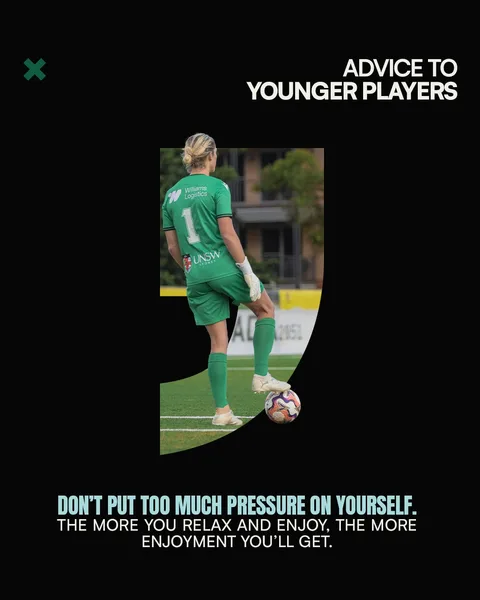
Erin Nayler Yeah. It would be just to believe in the impossible, basically, and just aim higher than what you think and and see what happens. Like I ended up in Olympic Leon, I didn't even know who the who the players were. I like, I didn't even know that the club was the best in the world at that point. So I mean anything is possible. And just don't put too much pressure on yourself to get there. Just believe it and enjoy the process.
Jan Yeah, very good advice and I hope that players will be able to take that on. For anyone that's living in Sydney, I guess they can watch you over the next weeks of the NPL season. I know that you guys are doing quite well at the moment. There's a big battle for the top place. Good luck for the next games. Who knows, maybe we will see you again in the next NPL season, maybe in the A-League, maybe as a coach. For now, thanks a for spending the time in the episode. Thanks a lot for sharing your story, giving advice to young players. And for anyone that's more interested into finding out more about the project in Sweden, your story, we will add a little link into the show notes as well. So anyone that's interested in that can find that for now. Erin, good luck for the next games. Enjoy the time at UNSW. I believe it's a great club. I really enjoyed my time there as well. And then all the best for that next chapter of your life slash career.
Erin Nayler Mm, thank you, appreciate it.
Jan And thank you. Bye.
Erin Nayler Some cool. See ya.