0:00 Mark Sampson I must have done I'm gonna guess 2,000 training sessions before I received any payment for coaching
0:43 Jan Mark, good morning to you. Cheers to the UK. Where do I find you at the moment?
0:47 Mark Sampson Good morning my end mate, good evening to your end, great to see you again. I am in London, West London, so the best way to describe it to football followers is in between Chelsea and Fulham. So I think that gives everyone an
0:59 Jan Perfect.
1:00 Mark Sampson indication of where we're based.
1:01 Jan the first time we met in person was actually in London when we came over, I think two and a half years ago for a tournament. took a took a team over. we already had very good football chats back then. And that's one of the reasons why I wanna have you on the podcast as well, because one part is obviously talking about how the journey can go to make it to working in football full time. But then the other part with you is as well you bringing a lot of knowledge from Playing the game, coaching in the game, and then also working across coaches development and especially having that knowledge around how the game is in Europe, but also how the game is in Australia from having, yeah, joined different groups of of teams coming over from Australia to play in tournaments. So before we jump into all of these different topics, I always like to give my guests the chance to introduce themselves. So maybe for everyone who doesn't know you and give them a feeling about what this episode is gonna be about. Who is Mark Sampson?
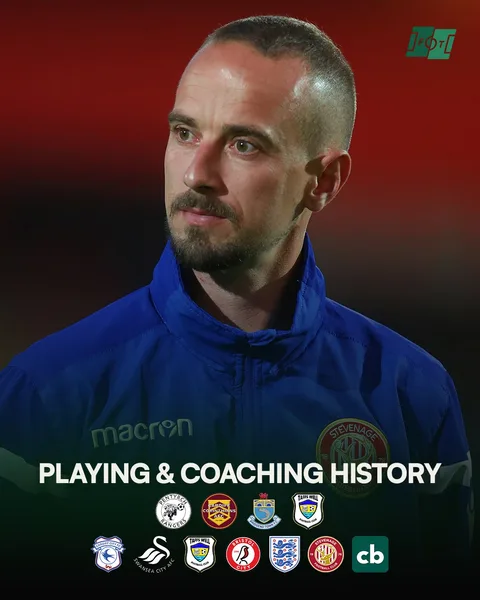
1:56 Mark Sampson was a kind intro mate and one of the reasons this is obviously great to be sat here is because when I when we met properly in England it was always great to talk with football people and you're certain that bracket pal yeah my name is Mark Sampson my background is is football simple as that really from you know millions of people around the globe, a failed footballer. I think that would probably be kind to my playing career, really. But fell deeply in love with the game as a young person for many reasons, not just the on-field stuff, you know, the camaraderie piece, the working together as a group to achieve a common objective, building friendships, you know, all that piece of the jigsaw. really made me fall in love with football. As I always say that, I should have mentioned I'm 44 now and actually some of my best friends in life to this day were people I met when I was six, seven, eight years old on a football field, either playing with or playing against. And I've been lucky enough to experience football at every level from grassroots right way through to senior professional in the men's and women's game. And, you know, to sort of summarise it. One of my probably biggest learnings in this industry is the more the more you realise you don't know. And I think that's an important summary for lots of coaches at every level that, there's a lot to this industry or game, but the more you know, put yourself in a better place. But I definitely think it opens your mind to like how much information and things are out there to support you and your players.
3:35 Jan I think that's a very good introduction of yourself. And I will try to do my best in this episode to try to get as much knowledge out of you and the best pieces of advice, because I know you have to you have shared you are able to share a lot. To like I said to you in t in the intro, to maybe start it off, we wanna give everyone that's listening and even watching a good idea why you're able to give this advice. So we're gonna talk at the beginning a little bit about your journey. So maybe take us back in time. What was your first contact point with football? How did you as a player, before we lead into the coaching journey, start with the game? How was it? What can you remember? What maybe did your parents tell you?
4:13 Mark Sampson Yeah, no look I grew up in a football family, father's another was a player, played rugby and football not professionally but to a good level, grandfathers etc etc so it was in my blood that you you've got to support Cardiff City and at some point you've got to play football and I think you know very different to today's world my introduction to football was a very informal environment so that was very much a group of guys turn up at a field and once you get enough of you, one of the dads decides, let's be a team. And actually, again, I mentioned at the start that some of my good pals to this day, we met in that environment, seven, eight years old, figuring out what football's about. And we were actually laughing that our first game of football was eight years old, 11 v 11. So when I watch
5:02 Jan Wow.
5:03 Mark Sampson eight-year-olds play now and my daughter's nearly 10, And I reflect and go, we were playing 11 v 11 at that age. But I think my early memories of football were exactly that. know, train a couple of times a week, very, very informal training. It's pretty much run around the pitch. you're, Jan your captain, Mark, your captain, pick a couple of teams and let's go. Often the dads would even play, you know, like my dad would be up front and he'd be saying, come on, get the ball into me early or whatever that might be. and then on a Saturday you play in the morning a formal game with the referee etc and then normally after the game your dad would go have a pint in the club and you and the boys would stay on the grass so you wouldn't just play the game you'd probably play for three hours after that and then normally we jump in the car and go watch a professional game Cardiff City
5:55 Jan Yes.
5:55 Mark Sampson in my example so that's where my football journey started And again, I think the bit around the game was the bit I loved, you know, maybe we'll come into it, but I don't think in my whole career I ever had a coach who coached me. So, ever taught me something where I went, that's interesting. But what they did do was create environments that inspired me to go and learn for myself. So, they would create this environment where I was so desperate to get better, I would actually go away. watch a game, pick people's brains, practice myself to put myself in a better position to play the team or be better. So I think that was my initial experience of the game mate and how really it connected me to friends and gave me a path and a motivation because I think lots of us young people in football, school was always difficult. You really wanted to get in and get out. And my highlight for school was lunchtime when you could play football. So that was definitely my,
6:53 Jan Same here, same year.
6:54 Mark Sampson yeah I bet it was, that was my intro to the game for sure, mate.
6:58 Jan Would you say, there's always this this topic these c discussions around there's not enough good coaches, or my coach is not good enough, or parents saying, like, my kid doesn't have a good coach, it's a problem. Now you saying you never you feel like and that's in Europe, never had, you know, good coaches. One, was that maybe for you then already a motivation to say longer term, when you got older is like, I wanna do this better becoming a coach? And two, do you feel like you're your career as a player could have gone in a different way if you maybe had one or two coaches yeah that would have probably taught you how to play the game and what is important.
7:36 Mark Sampson Yeah, fair. I mean, look, we could also flip the debate and we could say that they might have made me worse, depending on the type of coach they are. And I think I'd answer this question, like, with my coaching hat on. So when you lead a team and you obviously sat in this position, in ideal world, like in the business world, really, but as a football team, as a manager, it's like, right, can I get a player that is maximum effort and a really good team player? and maximum ability and put them together and life's easy for you as a coach. brilliant, he tries hard or she tries hard, she's completely committed, she's great around the group and she's also a great player. But in my experience, you normally have one or the other or a little bit of both. So you get a player who's maximum effort, great team player, struggles on the ability side or unbelievably talented but on that piece of the jigsaw. needs a bit of work and support and normally you get a little bit of both. They've got bit of ability and they work reasonably hard so your job as a coach is to add the layers to that and I think neither
8:44 Jan So what were you then when you were playing?
8:47 Mark Sampson mate. No, I was, I maxed out on the left bucket. I was fit, I was committed, I was always captain but unfortunately when I got the ball I let myself and the team down. So I think that was my downfall, but also my strength. I got to where I got to as a player because, you know, a manager would say, he's great to have around. So worst case, we'll keep him on the bench and eventually I might get a chance to show I could do a bit. But I think to answer the question, it's probably the same for coaching. Like, Arsene Wenger has that famous phrase of, know, coaches first and foremost do no harm. which I think is a really good starting point. And a lot of the time with coaching is your first job here is to create the environment. That's the foundation. So before you even think about teaching kids or players, get the environment right. And I think in my experience, you'd be amazed if you just get that bit right, how actually little you need on the coaching front to enhance the group. And again, if you're a really good coach, you nail that environment piece and then you start to sprinkle on the level of coaching at the right time to support the players. And I think that's the big bit for me. When I was younger, the coaches, which are normally parents, were really good on that space. They could create brilliant environment.
10:07 Jan Creating the environment.
10:08 Mark Sampson brilliant. Like, I couldn't wait. On a Tuesday night, you I'd get home from school, I'd be in my pads and kit. from 3.30, knowing I'm not getting picked up till 6. Looking out the window, you know, when's the coach coming to get me? And even the car journey was great. know, like five of the lads crammed in the back, you're chatting away, you're playing music, get out there, you're off. And I think that piece of the jigsaw these days can often be neglected and we quickly move to the coaching piece. that's probably been, I was lucky that that was my experience as a kid. And like I said, it inspired me then to go away and figure things out for myself rather than the coach feeling like they've got to all the time get me to where they want me to get.
10:55 Jan So we're already jumping a lot into the topics of coaching. So then maybe
10:57 Mark Sampson Hahaha.
10:59 Jan give us a a quick rundown how did then the the playing career turned out, how did it stop, and then what made you then transition into the coaching side. I know there's probably a lot of stories that would come to your mind, but we're gonna try to to keep it to the to the level of like giving people an understanding
11:13 Mark Sampson Hahaha
11:15 Jan of how you became who you are now and and what you've done in that time.
11:20 Mark Sampson Yeah, I hear you mate. Look, it comes back to a love of the game, a desperation to like keep getting involved. And to keep it really simple, I've got two siblings, a younger brother, a younger sister. There's a three year gap between us all. My brother's three years younger, sister's three years younger than him. And where I grew up, when you get to 16, your playing moves from a Saturday to a Sunday. But my brother was three years younger, so he was still playing on a Saturday. So what tended to happen when I was 16, he was 13, on a Saturday, I would go and my father and my brother and all I was doing was watching him play, doing some kick-ups on the side or whatever. And eventually, probably within a month actually, my dad's like, there's no point in you standing around, you should like help out. So I started to, you know, run on with the water when someone was injured or, you know, give a bit of input to the players, like as a small group, as individuals. And that's when I got the bug really. That's when I was like, wow, I this. And then probably within two months of that season, I was actually leading the team. Yeah, I was the manager, my dad was helping out, doing the team talks, doing the sessions, managing the players and game. And at that point I was hooked then. And it was actually difficult to keep the playing going, however I wanted to, because I was, that passion had flipped from playing. to be an influence as a coach. The main reason being is that I probably felt I'd always be a better coach than I'd ever be as a player. And that was when it really started for me, I think, on a coaching front.
12:52 Jan And then maybe talk us through your first steps and maybe the you know what what led you to then achieving some big things in your coaching career.
13:01 Mark Sampson think always when I get this question and again it's maybe something I see around the industry at the moment on coaching is that I probably worked as a coach I must have done I'm gonna guess 2,000 training sessions before I received any payment for coaching so you know I remember as a when I passed my driving test for example and in England that's 17 I would go to school from nine till four and in the back of my car, because it stunk, I can remember the smell, was the balls, bibs and cones and I would drive directly to somewhere to coach some group of players. that initial experience, I worked with every single level you could ever think of from kids who were literally like three years old, didn't even know they were playing football. to supporting a coach who was working with 16 year old kids who were wannabe professionals. So that was where it started and I always go back to it. Some of those principles I picked up in those days served me so well when I became, when I worked at the highest level. How to manage a group, how to understand individuals, how to adapt the practices for the level of the players. I had work with players who are very talented to players who are struggling all within the same group and you know this from me, when you think in your mind you've got 12 come in and four turn up, or you think in your mind 12 will come in and 28 turn up, all those skills I learned and I failed at, but I failed where it didn't matter. There was no newspaper article or fans. No one watched those sessions going, boo, Sampson out. It was
14:47 Jan Yeah.
14:48 Mark Sampson just me doing my thing and if it was rubbish, most of time no one noticed. But I did, I could reflect, I could adapt. So that was where it started and then I got my break really at a club called Swansea City. So was lucky enough to go in at Swansea and that was my start then of like my, I suppose, professional. slash semi professional coaching journey.
15:11 Jan Yeah, maybe us closing down the chapter of like the initial start and obviously your playing career. We we always and I think that's where you are amazing as well, how you can sometimes give perspective from different angles. Obviously there's a lot of parents listening to this podcast as well. And one of the parents recently said like, it would be great to hear, you know, from parents of players that have made it. you've obviously come a across a lot of parents in your time now as well. You're a parent now too. You're also still a coach, you're a former player. if you would have to give advice to, you know, a parent out there that have their kid just getting started and then maybe coming across like a coach that you were back then that is getting started as well, that is young, that is ambitious and is like emotional and wants to do everything perfect, but is still learning the the craft of being a coach, what would you say to them?
16:03 Mark Sampson I think that first line of Arsene Wenger is important, like do no harm. And the best way I can always describe this is I've been lucky enough over my career, so just take that example of Swansea, right. I was there for three years and in my three years at the academy, within that system, bear in mind Swansea were in the third tier at the time, like the equivalent of what was League One at those days. Just within that period of time, there was eight kids that went on to play in the Premier League. Right, so eight kids within the system during my three year spell, whether or I had influence is up for debate, let's not go there. But eight of them actually went on to play Premier League footballers and I obviously came across all of these kids. And the best example I can give you is that I barely met or knew their parents. I know it sounds really weird, but for those eight, if you said, who's his dad, I'd be going, I'm not sure I've ever met him. Who's his mum?
16:59 Jan Yeah.
17:00 Mark Sampson And honestly, and I go back to it, the only time I actually met them was when they would come across and say, thank you. Or they'd be stood behind their kid who they'd sent over to say, make sure you thank coach Mark over there, for example. So I think that would be a really like powerful image for me that actually. They weren't at the forefront, they were definitely, definitely in the background. Now what went on behind those four walls or within the car, I don't know. But that was my experience of families. Weirdly, I always remember, Man City back in the day took our best player. So he was a 14 year old lad, been with us for years, and Man City swooped in and whatever they did, they moved him up there. He went on to play for Man City, actually, Premier League. And I remember his dad came in with him to meet us and tell us what had happened. And it was the first time ever met him. I was like, God, your boy's been doing brilliantly for two years. But the first time I ever see you is you come in to, know, for them, was, look, we just got to this decision and we got it, you know, like we're Swansea they're Man City. We're so grateful, he always played a big part in his journey. So I think that really is something I'd leave something to think about for Mums and Dads who are supporting their players. Like actually, in those examples, I'm not sure I can remember many interventions with family.
18:27 Jan And mean, maybe that's jump us jumping ahead a little bit, but I think that topic quit fits quite well. When we met in the UK and we had an under 11th team go over and compete in a tournament, playing against the biggest teams in and around London, right? There was like Chelsea, there was PSG, there was Liverpool, there was like all the big names. And we then had a chat in the end of the trip where you gave a bit of feedback and like your observations of the parents to the players and how the players were behaving. I think you said one or two things similar to what you just stated as well, that you said, hey guys, I did not see the parents from the players, from Chelsea, from PSG coming up to their their kids straight away after the game, making sure they had their water or their snacks or had their jumper on or gave them feedback. We didn't see that from them, but we saw that from the Australian parents. Right. And maybe that's maybe one or two points where maybe it's not me saying it, but it's you from your experience and what you've learned there to maybe draw that line as well to say hey, yes, be you want to be a supportive parent and you wanna be helping your kid as much as possible. But as you said earlier, sometimes that does maybe harm, even when it comes from a good place.
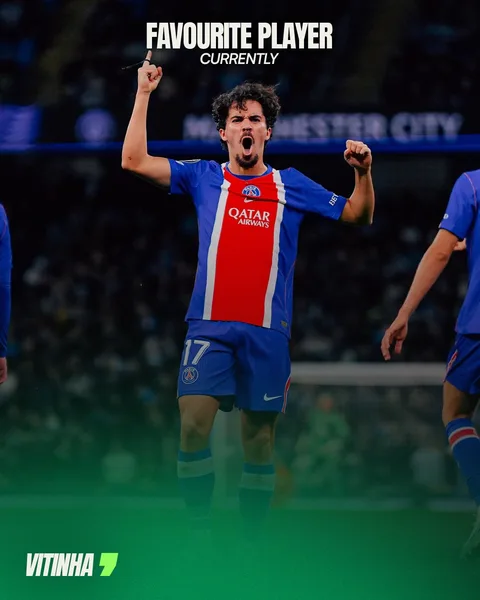
19:36 Mark Sampson Yeah, yeah, I you mate. And look, think one thing that resonated with me, and I'll try and I think this is a matter of example, when I went to work with the national team with England, obviously you're moving from a day to day environment where you have the players all day every day, or most of the day every day, to you getting very small blocks, intense blocks, but for context, you know, I remember in one, whatever it might have been, one year when it wasn't a tournament. when we're planning the year, think we've only got 60 days in total with the players this year and if you assume you're gonna lose circa a third of them because you're just traveling, like you spend a day flying here and a day flying back. So actually in terms of working days, like we've got 40 days over the course of a whole year and one of my biggest lessons from that and I think this links to how you should work with players is actually, if you think about it, what you do in those 40 days or 60 days is probably nowhere near as important as what the players do in the other 300. And I think your job as a coach and maybe a parent is how can you like create the inspiration and curiosity that when you're not watching, they want to go away and practice with the ball. When you're not watching, they want to watch a game and watch their favourite player and think about, I love the way Declan Rice or so-and-so does that, Sam Kerr moves, I want to practice that myself. And I think if you look at that way, like how can I really inspire a love of the game rather than how can I make them better? I think you'll probably be in a better place for the long run because if you logically think about it, we know the facts, if you want to be an expert in something, yeah there's this old school 10,000 hour rule but the reality is it's probably far more than that. So you know if don't love something deeply and really enjoy doing it, you ain't going to commit the time and mental energy or be willing to go through the sacrifice. to get anywhere near you where you want to get. So I think if you can try and think of your objective is, how can I just make this an amazing experience for them? What's my role in making sure when they've got to go, they can't wait to go. And the moment I turn my back, they're off doing their thing. And you probably know when you've cracked it, when they come to you more than you go to them. So the kid comes to you to say, hey dad, what do think of this? And I think that's your cue to go, I've been invited now to give my opinion. Maybe I'll say something. But I got lots of views on that. But I think that'd be my basic framework piece of, how do you create this inspired curiosity monster that just wants to like absorb information, play as much as they can with a smile on their face.
22:32 Jan Yeah, I love it. And I think that's something that I strongly believe is the difference between players who maybe gonna do something with football as a player, maybe as a coach or whatever it might be. It's always gonna be the ones that have that intrinsic motivation that don't need someone externally to motivate them to say, Hey, you gotta go train, you gotta do this. They're the ones that you actually have to go say, hey, maybe today you should take it a little bit easier and take a rest day and you're allowed to do something different. You actually have to slow them down rather than increase the pace of what they're doing in their everyday life with football.
23:04 Mark Sampson 100%. it's, it is hard because obviously I'm a parent myself and all you ever want, but I'm lucky in football that I'm obviously, it's my industry so I can observe and I can understand probably what helps. But it is hard, you know, it's hard not to have an opinion and that famous phrase I said at the start, sometimes, you know, the less you know, the more you think you know, the more you know, the more you realize you don't know. So it is hard when you're watching a game and football's getting mistakes as we know. It's easy to like critique Premier League players let alone 10 year olds.
23:40 Jan Yeah. So you gave us already like a little hint of where your coaching journey took you ultimately, which is the the England women's national team. Maybe one or two steps before that that you when you think back were important moments or reasons why you were able to achieve that that that top level.
23:59 Mark Sampson Yeah, fair. environment plays a huge part, I think, in... It's a fact, isn't it? As humans, we are incredibly shaped by our environment. You're based on where you are, whatever your values and principles are, your behaviour does change. So was really lucky at Swansea that first break I got... to have mentors or people around me that shaped me. had a first team manager, actually the head of youth at the time was superb. A guy called David Moss was just really good. And he was always going to go on to bigger things. the biggest thing he had, he gave me belief. He gave me ownership. He trusted me. If I had an idea, go on, go with it Mark, make it work. If it didn't work, he'd come down a ton of bricks, don't get me wrong. He was there to say, I like that, go on then, go and make that work. He never put me in a box, he always allowed me to explore. And I was lucky enough to be around the club when I was the first team manager who lasted about six months when I first started. But sadly he passed away recently, Kenny actually. And Kenny was old school English manager. Like discipline, hard work, punctuality, like aggression to be honest. and I learned a lot from that and then I was really lucky then that a guy called Roberto Martinez who went on to manage the Premier League and played at a good level came into the club and as a Brit you see the game in a certain way again your environment shapes you and he came with a you know he'd have to find a way to be a successful player had no physical qualities so how did he cope in England and it was with his brain and He just taught me a way of seeing the game that I just never, again you don't know what you don't know do you mate? I just
25:41 Jan Yeah.
25:41 Mark Sampson got up, I just never thought of it that way. And his biggest attribute was that, again Swansea at the time, I wasn't involved in the first team but they were in League One, so again two promotions away from the Premier League, and there was players in that club who were like in their 30s and never played, League One was the highest they ever played. And to be honest, mate, I was like, that's the highest you're ever gonna play. I think from now on, you're going that way. But somehow Roberto worked with these guys and they ended up being established Premier League players in their mid-30s. And I always go back to it, like that was purely his ability to inspire, build confidence, like show trust in them and give them a real clear framework of like, hey, this is what we do. This is what makes you great. And his biggest strength, which was different to the Brits, was he was very much strength focused. In England, we think a lot about players' and, you know, we're very critical, but he was the opposite. He was so positive, so constructive. He'd build on your strengths. So that was, I was lucky in that environment to like pick up those, just be around people who made me think, but also create an environment where I had... ownership to figure my own way.
27:03 Jan I think I guess that's one part of the advice that some someone listening as a player, as a coach, as a parent should take away as well. It's like you also have to decide when you go into that next journey, when you're looking into maybe your next option of like where you want to go, that you have your due diligence done and understand what environment you're getting yourself into because as you said, it can shape you one way, but it can also significantly shape you another way. And in hindsight it might make a very good decision. or very bad
27:31 Mark Sampson Yeah.
27:32 Jan decision, but you you will never know, but you have to make sure that you get all the information available to yourself to make that call. So then yeah,
27:39 Mark Sampson Absolutely right mate.
27:40 Jan a lot of insights, a lot of learnings, a lot of people that inspired you. But again, it was still you that had to go these next steps. Maybe talk us through what the next years looked like and and what like that maybe call it pinnacle of your coaching career as to in terms of as a manager of a team looked like.
27:57 Mark Sampson Yeah, and look, I think that was, I was in my early twenties then and one of the things you have within that organisation hierarchy, I was like looking after the 16 down really, like the kids from young to 16. My job was to, you know, make sure that the training programme was right, the environment was right, the recruitment was right, all that piece of the jigsaw and I, you know, help out with the scholars, the under 18s. To be honest, that game, on the side of that, it strange. The club I was playing for, we were struggling. I remember one season we played nine lost nine, bottom of the league. And again, I think I was 24. And the club were at a bad place. And they said, look, know, Mark, you're a coach. Do you want to just look after the first team for a little bit? To which, you know, you just go, why not? I'll give it a go. So I did. and I actually stopped playing at that point and became the manager and I loved it. As soon as I did it, I'm like, this is me. I really want to be the person who makes the final call. And that was an amazing experience there because I had a professional gig with Swansea, a semi-professional gig as a manager. So you could, you you want to do well, mate, but it's not like...
29:10 Jan Yeah.
29:11 Mark Sampson If I get a sack, I can't pay the mortgage. It's like just a bit of cash in hand the end of the week. So I really went for it. And we built a young team. At the time, I remember it was 09 when Pep was at Barcelona. naively, mate, we were playing with false nines and all this rubbish, playing from the back on bobbly pitches. But it gave me a USP. it got eyes on me. People started going like, what the bloody hell's going on down there? know, they're bottom of league and they're like bopping it around. And we started winning and whatever else. But it gave me a smell of, want to be a manager. So an opportunity came up in the women's game at a club called Bristol Academy at the time, now Bristol City Women. And there was a chance to be the main person, hey, you're going to lead this. And I wanted that challenge. So I took that job and again the most important thing for me was okay this is my chance like I'm picking the players, I'm picking the tactics, I'm building the environment and also the club was at a stage where in the women's game what's called the FAWSL now the Super League which is now really established was literally starting. So the women's game was going to another level so I knew I'd have a chance to go you know we can build something here. and there was no infrastructure, so I pretty much had a stamp on everything. I could pick the first team players, but also I'd be influencing which eight-year-olds were signing. And that was a challenge I really wanted, so I dived into that. to be honest, my four years at Bristol were probably my most enjoyable of my career. It was just, you know what it's like as a player, as a manager sometimes, you just get on a roll. You're doing some good stuff, but you also got bloody hell, you know, when there were certain games that we had to win to go to the next level, we just won them. It was like, if we win this, we're off. And we just happened to win them. So we had a spell where it was it was mad. We were bottom of the league in year one, took over bottom of the league. And by year three, we'd been to two FA Cup finals, qualified for Champions League twice. And I remember rocking up at Liverpool last day of the season, being like, shit, excuse me, my God, if we win today, we're champions, champions of England. Like, we're gonna finish with Liverpool, Arsenal, Chelsea, man, what is going on here? But it was just one of those things where everything fell into our favour and got it going. But that was an amazing experience, mate, to lead a programme at such a young age as well. Again, at a level where, you know, it's important you win, but you could also make mistakes and survive. It wasn't like... couple thousand fans are watching. It's not like there's 50,000 there shouting for you to get out. You know, in those days Twitter wasn't a big thing, that was a really good experience to finally take a full leadership role.
31:51 Jan that's kinda the the stories I wanted to get from you because that's the important part where now people can understand it's like, okay, Mark has coached football. He's coached at the highest level. He's he was able to build a club like that, a team like that, from nothing to a very high level, have success. So I hope from now when you give advice and when you give feedback and
32:13 Mark Sampson Hahaha
32:14 Jan you translate stuff, that there's at least something like, Yeah, okay, this guy didn't might know what he's talking about. Because
32:21 Mark Sampson Yeah, well, I hope they take the advice of face value. Like, it's great the guy has got a big experience, but ultimately, if I like what he's saying, maybe I'll take it on board.
32:31 Jan And then before we jump into the the next conversation around like the learnings advice and so on, taking to that last part of the coaching journey, stepping up into yeah, becoming England national team coach and then obviously maybe even that that that that piece of getting the first contact, getting the call, because I imagine that's that's a big moment, right? You someone contacting you and be like, Hey, we're looking at you for this role. I would compare that as a coach to being a player and being close to signing a professional contract for the first time as well.
33:03 Mark Sampson Yeah, like I said mate, know, in football you do need a bit of luck and for me at the time that England job became available we just had this unbelievable season. the team with the lowest budget in the league had come a whisker away from winning it. Two cup finals, Champions League qualification and we were developing some players. Like half the first team, I think we had a squad of 20, more than 12 of that squad were homegrown. and we just sprinkle
33:31 Jan Yeah, well.
33:31 Mark Sampson a couple of Spaniards and whatever else. That was the strength of the culture. Like I said, that England job came around at the right time really, post the Euros in 2013. But do know what? I was loving life so much at Bristol and I was honestly like, we're going to do this. We're going to keep going here. But you also start to go, football's horrible. Obviously, people start to nick your players. So every year Bristol, Arsenal, Chelsea would go, right we're not happy you're beating us, we'll take your goalie. We're not happy you're beating us, we'll take your striker. So you're having to constantly reinvent, you know, and that at some point becomes really annoying. But I had a huge affinity with the club. So when the England job became available, and this is the genuine truth, you know what normally happens to those jobs is they headhunt people. They're like, ooh. we'll go after that people. And to be frank, I think what happened is they probably tried to headhunt a few people and they couldn't convince them to come. And I remember at the time, it never really crossed my mind to like put my name in the hat for this job. But when the application process came out, my father, to be fair to him, my father ran me and said, you should put your name in the hat. I said, no, no, what's the point? You know, I'm Welsh, you're also made to be fair. You know, so the idea of, you know. working for England was like, I don't know, mates left. But yeah, basically I apply for the job, hand on heart thinking, do you know what? I'll never get this job, but maybe I'll make enough impression where they might get me involved in the system. So they might go, we like this guy. Cause I was only 29 at the time. know, lot of the players are older than me, for example. I remember thinking, I'm gonna make an impression. And maybe they might go, hey, why don't you come work under 18s? Why don't you come and do a bit of the 23s, whatever, alongside Bristol. But then obviously I went through the process and again, I think that USP phrase I would use, I deliberately went in there going, look, if I just give the stock answers, then no way I'm getting this job. I have to go in, it'll either be a huge success or a huge failure. Like I'm going in for it and whatever answer I give, it's gonna be controversial. And then they're gonna either go, we love a bit of that, we need that, or they're gonna go, my God, stay clear this guy from the barge pole. And then obviously, yeah, I was given the opportunity to take the job and obviously life changes then, doesn't it? You go from being, and again, I just turned 30 by the time I got announced, a few days after my birthday. And I can remember just thinking, phew, know, whether you're off to Wembley and media's there and the scale of the stuff. mean, the stupid example of the scale is that at Bristol, we had four full-time staff, including me. Me. commercial manager, team manager, assistant coach, goalie coach, sorry physio, the rest of part-time. I walk into England, my first staff meeting, there's like 30 people in the room. And they're like, okay, that's not including players, mate. So, and that was a big step. And then obviously I was lucky enough then to experience World Cup, European Championships. And again, it just, it snowballed. when I took over the team, They'd just been eliminated at the group stage in the European Championships without winning a game. And then two years later, we found ourselves in the semi-final of the World Cup. And still to this day, I can't believe it. We managed to concead a goal in like the last kick of injury time to lose 2-1 to Japan. But then we bounced back and beat your lot the Germans in the bronze medal match. So, yeah, we came back with a bronze medal from the World Cup. And, you know, for context, at that time... England had never even won a knockout game at a World Cup. They never got beyond the last 16. And suddenly, we're like a minute away from the final, actually win a bronze medal. And I remember that year, I was nominated for the Ballon d'Or Coach of the Year. So I'm sat in this Ballon d'Or ceremony with Ronaldo and Messi and Guardiola. And you're just going cheapers, you know? Two years ago, I was just a normal fella coaching Bristol. But an incredible experience. And the biggest privilege was you obviously get to work with world-class talent, like genuine, wow, this person is top, top player. And to bring it back to the coaching piece, one thing you learn working with top players is you watch how they behave, you also get to know them, and you realize, God, to be in that top 1%, sacrifice and commitment I actually realized that time personally I couldn't do it I was like you know what to get to your level I haven't got it in me by choice I'm not willing to sacrifice or what you sacrifice to be that level and that was such a big lesson for me around what it takes to be genuinely world-class within your chosen field
38:55 Jan that's part of this this podcast as well and what it these these journeys and these stories are about. That one part is like like you just said, yes, that's the the top, top level, right? That's a top
39:05 Mark Sampson Thank
39:05 Jan percent, one percent. Obviously, there's so many layers like you already expand for your journey in football where you can still make a full-time living and make football your whole life. As you already said, you had these phases through different jobs, through different opportunities. You're working now in a whole different field that is not actively coaching, but football is still the main topic. And I think that's the the important part as well. Yes, maybe at some stage some players that are listening to this are gonna be twenty-one, twenty-two, twenty-three, and they'll be like, I might not reach that top, top level anymore, but I can still try to reach a level where full time football is is realistic, wherever country that might be, whatever role it might be. And if playing doesn't work out There's still so many other careers inside of the sport that you can still pursue and that maybe you there you have that hundred percent commitment and everything yeah, I wanna learn everything, I can go all the way with this.
40:05 Mark Sampson Yeah for sure. And there's probably two bits to that. think as a player I genuinely believe this. honestly, yes luck helps, don't get me wrong, but I honestly believe if you're good enough you naturally make your way to your level. So for example right, if we took all the players that started in the Premier League on Saturday, last Saturday, right, and we put them at any level you want, as low as you want, right, I'm going to bet that 90 % of them find their way back to the Premier League in two years. Because, it's not hard to spot a player. You watch it and go, she's miles better than those. Move her up. But as a coach, you do need a bit of Like, to be frank, I've seen terrible coaches work at the top level. And I've seen really, really good coaches never get an opportunity to get near the right level. So it's a different skill set, player versus coach. It's not just about as a coach, you're a good coach. There's a load more around it you've got to get to give yourself a chance. I think that's like an important, come on mate.
41:11 Jan So on on that on on that topic of what you just said around that the the the players will always the the good players will always be recognized and you believe that if a player is a top level they will always be seen for what the level they should actually be playing at, right?
41:28 Mark Sampson Yes.
41:29 Jan about Australia and we have had conversations around that. There's a lot of times this topic of okay, it is a smaller landscape, there's less opportunities to play because there's less clubs, the the sport itself is smaller, there's not the different
41:40 Mark Sampson Ahem.
41:41 Jan layers in terms of a pyramid scale of okay, if I do well in sixth division, I'm gonna be seen by fifth division, if I do well in fifth, I'm gonna go four, and so on and so on, like it is in in many many countries in Europe. And the problem here in Australia is that a lot of parents and say, like, my My son, my daughter, they're good player, but they're not getting a chance. And then everything, every time the the conversation goes around, it's it's related to politics and all of that. Where many times I said it's like, look, let's be honest and let's be real. If there would be good enough, still some team would pick them up. And yes, in Australia, it's a bit of a bigger challenge because there's less opportunities. But the reality is if you can't get into the lowest level of the competitive environments, then you're probably not good enough and we don't even have to talk about, my son or my daughter wants to play in Europe, because the reality is the gap is so big. And it's maybe where we can lead this conversation down to a little bit of the topics of like what you've heard and seen from inside of the system here in Australia, from inside of the system in England. Australian players, Australian parents that are coming over at younger ages, maybe older ages, conversations with coaches, what you've seen that is ongoing discussions that maybe we can clear out one or two statements that are like, Yes, I hear you, but that the real the reality is different and maybe it's important to hear the honest truth rather than still living in this fantasy of if we would be w playing and working, training in England, we, my son, my daughter could make it to the Premier League.
43:14 Mark Sampson Yeah, I hear you. one thing that always stayed with me, again back to Swansea in the under 18s, so the boys are 17 or 18, we had a boy called Joe Allen and Joe was the smallest player on the field, tiny. And he went on to play for Swansea in the Premier League, he went on to play for Liverpool in the Premier League, multi-million pound move, and he probably made... 500 Premier League appearances in his career. Multiple caps at Wales, played for Wales at European Championships, played for Wales at a World Cup, right? And I always remember when Joe was trying to make it, again the youth team manager at Swansea at the time, David Moss, just kept it so simple for him. He was like, Joe, for you to genuinely think you should move on, every five games we play, you should be clearly the best player on the pitch four out five times. And I always remember that to go, yeah that's actually a really simple way of thinking about it. You know, like not every time, but for every 10 games we play, eight of those, whoever we asked on the field or in the stand or on the benches, who's best playing the pitch, they would go number four. And I think that's like a really good base to assess, okay, now's the time for the next step. Like not any bias, because football does leave clues, doesn't it? It's not, very rarely do I watch Sky Sports and when they name man of the match I go, can't believe they picked him. You normally go, yeah it makes sense. scored the winning goal, created a goal, get it. So I think that's important context. Like, okay, when they're really like every week like dominating the game, the best player, I get it. And I get there's some growth maturation bits in that as well. And look, the only other bit I preface it with is obviously There's lots of bits that go in to become a footballer. And ultimately the best thing you can do to be a footballer is play with better players and work with better coaches. So the environment does impact that to an extent. Because obviously the more dense the football population, easier it is to get best with best. You you can play against better players every week, train with better players three or four times a week. And again, with the power of environment, you normally raise to the level. So I think there's some context around it, but ultimately, the landscape, in my opinion, does normally take care of itself. Pretty sure if we plonked the best player in Chelsea's under 14s, in any under 14 mid-team in the world, we'd be going, he's not bad. And
45:49 Jan Yeah.
45:50 Mark Sampson I think that's important context really that... There's bits to it, but the game does leave clues.
45:57 Jan So then let's come to one of the first questions around what they call here in Australia, especially is like the pathways, what are the pathways for the players? How can a player achieve the highest level possible? How can they become a professional player? Initially, we know in England there's a pyramid. When would you say a player has achieved the goal of playing professionally?
46:18 Mark Sampson me. I mean it's difficult isn't it, in the UK it's, I feel it's pretty clear you know like you distinguish it grassroots, semi-professional where I'm not full-time but I am receiving some money to play and then professional is I am full-time you know so I think that's pretty clear that once that becomes your full-time job and you've left everything else then in my opinion then you can consider yourself a professional football player. Anything younger than that, you know, that's not professional football. You're still a kid. Actually, when I work, as you know, I do lot of coach education and everything else at the moment. One thing I always insist is that when we work with players and the age of 16, we call them kids or children, not players, because that's what they are really. You they're not professional children. never known a professional child. They're just kids and children. they will become professional at some point with a bit of luck. If they don't, they don't. But I think that will be my distinction of what professional is mate.
47:25 Jan And obviously to that level of professional, there's a lot of different layers as well, right? Especially in England
47:30 Mark Sampson Correct.
47:31 Jan is what you could potentially be in the fifth division and yes, you're not playing an official professional league, but you could still be played
47:37 Mark Sampson Ahem.
47:38 Jan full time to be a professional footballer.
47:40 Mark Sampson Do you know why? I was lucky enough to manage in the EFL, the football league, and one thing I will say for players that level is from the outside it looks fantastic, but when you get a one-year contract, life's hard in a performance industry because, you know, unlike business, where football's different is in the business world you probably only know if a strategy's working after a minimum of six months. It might even be years, right? Hey, we're going to try this, we're going to get it going and in six months, a year, even two years, we'll understand whether it worked or not. Football, you get judged every Saturday, Tuesday and your life can go from, I'm as high as a kite, so I'm down in the dumps, as a player or a manager. in football league, I'd win on a Saturday, I'm thinking, here we go, you know, I'm flying. lose Tuesday, lose the following Saturday, literally seven days later the world is completely flipped and it's the same as a player you know it's a hard living to make and hence I go back to the ones who I think survive and thrive are the ones who can maintain that love of the game and passion for it knowing all the challenges that are going to pop up along the journey.
48:59 Jan Honestly, that's exactly what I've gathered from all the episodes that I've done so far with especially the the guests that were professional players or are still professional players. They all came back to the basics. They all said you gotta enjoy the game, you gotta love to go to training every single day, you gotta love to to work hard, you gotta love to sacrifice. And all of these parts are very simple. They they said like there is no massive truth to or like a magic formula, how to get there. It's many times you just have to enjoy doing it day in, day out and through the highs and lows and for the journey of whatever journey the the that roller coaster might take you.
49:37 Mark Sampson Yeah, and do know what mate, to try and give some, I feel like sometimes on podcasts like these, maybe it's good information, maybe it's not, people agree or disagree, but sometimes it's hard to implement and take it away. And as a parent now, like as a coach, I'm a big believer in how do you inspire players to take ownership of their own career. So hey, guys, if I wasn't here, you should be doing the things that I think you should be doing anyway. You know you're a top coach when you make yourself redundant. Honestly at Bristol that was the case right? I had four years there and if I hadn't turned up for a week and say the staff didn't turn up right? Monday morning the players rock out there's no staff and we had a game on Saturday I guarantee they'd picked a team prepared for the game properly and played the game because we just built something that was like this is how we operate this is how we work and to give some practical advice as a parent now and again I do it with players as a coach. I remember like the posh word is contracting but I would sit down my daughter before, you know had about a month of playing football I'd say right mate like how can dad help make football as fun as possible? Like let's write some stuff down I'll write some stuff you write some stuff and then swap and let's like have three rules what does dad do to make football as enjoyable as possible right? And do know what they were? Number one, make sure I'm there early. I don't like it when we're late dad. Okay, noted. All right, because often you are like, you know what it's like, you're like, shit, know, football star, get in the car, I'm not gonna go. So she's like, right, dad, just get me there early. No worries, mate, you know. Dad, I like it when you're actively watching on your phone. I didn't even know you could see that. Fair enough, all
51:23 Jan Well
51:23 Mark Sampson right. And then dad, when we come back, That one time where we stopped off and got some, think whatever type of food it was, like can we always do that after football? That was it. Like there were the three things that make her experience a better experience of football. And then all I try and do now is every so often, I think week is busy isn't it? But every couple of months, we just sit down and sort of refresh it. Okay mate, how's football going? Right these are the three things dad's doing are they still the good things that they help yeah they're great dad what about if we added one more what about this dad okay no problem we'll give it a go and these days mate it's normally if i can get a new pair of boots yeah i thought that would help ~
52:07 Jan But the question for you, what were the ones that you wrote down? Because maybe that's an interesting one for
52:11 Mark Sampson Yeah, good question.
52:12 Jan the parents.
52:13 Mark Sampson Yeah, look, I'm cheating because I'm, I feel like I've experienced all these type of things, you know. For me, I wrote things down like actually, like, dad doesn't speak when you're playing. Like, dad will only speak if you ask dad to speak. So, for example, if you in the car after say to me, dad, how do you think it went? Like, you've invited me to mention something. you don't invite me in Dad will mention it. When we get in a car it'll be right, should we go and get that sandwich so-and-so and it'll just be like a normal Dad daughter chat. So that was number one and I think number two was...
52:50 Jan On that one though, is that still
52:50 Mark Sampson Good
52:51 Jan then is that do you think maybe right now not yet? Because maybe she will go on when she's older and actually play at a decent level where you feel like, now I could share some knowledge and some wisdom and some advice that she could get even better. Do you think that's gonna become more challenging as it w goes on? Because I feel like that's where I imagine a lot of parents that there, and especially parents that have played themselves, that if I only give this one or two little hints and advice, it's it's maybe gonna be easier or better. What do you think about that?
53:20 Mark Sampson Yeah, look, I'm gonna get it now. We have a little, she's got this little book here, A little journal, and really it's like, I icon it, but I wouldn't tell her. It's a football, in reality, in life really. But it's a football reflection journal, put it that way. So I always say to her, you haven't got to do it after training, but anything you want to write about football, just write in there. Things that are good, things that are bad. And when you want, you can give it to Dad and let Dad read some. Dad'll never take it, it's yours. But at some point, if you want to say, can you have a look at this? I'll have a look. And sometimes, not, speaking face to face can feel confrontational and a big thing. So sometimes the ability to write something down, leave it there at the right time and say, Dad, can you have a look at that please? Them not being in the room is helpful. And I think again, that's my invitation to go, okay, man, can, for example, she's really basic, this is her first year of playing. She won't listen to this hopefully. The other day she'd written down that one of her teammates who was two years older had told her that, hey, I played you such a soft pass, you couldn't even control it. And she said, dad, I thought that was mean, it upset me. So that was a good time for me to read that and have a chat about, okay, and again, for me the important stuff of young players football. how do you handle confrontation? Like we can't just be like, we hate this kid now, I don't like her anymore. We've got to manage this confrontation and conflict because you're going to be teammates. And if you don't manage it, she'll probably say it again. And eventually she might say it to the enough where you're going to go, I don't want to play football anymore. So I feel like that, in my experience, has been a good way to... open up doors for conversations around some of the stuff but honestly mainly mate it's the stuff around the pitch not like how do i get better at shooting it's more that example i've given you and examples like that
55:14 Jan Perfect. And then if we would have to take that a few years ahead and just imagine that, because obviously there's a lot of the the podcast is obviously around football, but it's also about okay, how can players achieve the highest level possible? Let's say you would have she's now sixteen, seventeen years old, she's maybe in a state team, she's maybe in a youth national team, she's like at a good level, but she's still a few steps away from maybe signing a professional contract. What do you imagine? one her, but also you then as a dad with understanding the culture's point of view, would write into this book and you would maybe love to to read in there from her. Just still know,
55:49 Mark Sampson Mm-hmm.
55:50 Jan it's going into the right way.
55:51 Mark Sampson Good question. Look, ultimately I'm a UEFA Pro License Coach with 25 years experience in the game. So the best example I can give is my daughter also enjoys theatre, acting, dancing, right? And who the hell am I to... I mean if you've ever heard me sing or see me dance you'd know I've got no knowledge, experience in that topic, right? So who am I to give her any sort of advice in that area? Even if I sit there and I think, you should be more expressive, you should smile more. what the hell do I know? So I think in that context, honestly, if there was a need for support, I would seek an expert. I would say, okay mate, I'm reading in here that you want to be better at your singing because you can't hit high notes. If you want, can look at, or mum and dad can look at people we can maybe speak to or work with that might help you get better in that area. I would never attempt to be, know, open your mouth more or breathe more, I don't know. So I think that's probably a better example that, you know, unless you're really, really skilled in an area, maybe it is best to park it. And as a parent also, I don't want to be the coach because as you know as a coach, know, people say, we're a family. You're not a family. a family, whatever my daughter does, like she's my daughter, I'll support her, she'll be there. But at a football club, if my player does certain things or doesn't perform, he's got to go. Like that's not a family, is it? So it's very different between like what your family is. and what a professional relationship is. I don't ever delve into that. I don't have a professional relationship with my daughter and I feel like if I'm advising her on how she should go about stuff, it's becoming professional. So again, I'd rather hand that on to the experts or encourage her to go figure out for herself, hey, why don't go ask your coach? You know, go and pull your coach, send a message to Coach Jan and say, hey, can I have 10 minutes after training and can I discuss this? But my job is not to influence an area. That's the coach's job. And if the coach isn't the right coach, let's find a new team. Don't become the coach. Let's just find a new team. think that'd be my view on that one, I think.
58:13 Jan Love it. So then we've given now the advice around the parents, but then let's flip it to the players. What would you suggest at these ages sixteen, seventeen, eighteen, where football then, you're coming closer to breaking into senior football? I always try to explain to parents here and players like no one really
58:32 Mark Sampson Ahem.
58:33 Jan cares where you played in under twelves, under thirteens, under fourteens. What really matters is where what level can you be at when you reach the senior senior football journey? And it for some can be at 16 years old, for some it can be at 22 years old. But it's about how good can you become when you're eligible to play senior football and when it really becomes interesting. What would you get what would you hope that players in these age groups would maybe write into a book like that or think about or do well in the everyday life from what you've seen over your whole journey as a coach? What you say are this is something that the players that were able to go the next level that reach the top. That's what they were able to do and consistently doing.
59:14 Mark Sampson Yeah, good question. I think that the first thing I would say is you don't know what you don't know, right? And in football, there's a lot of what I call second guessing. know, the coach thinks I'm terrible. The other coach doesn't rate me. Anytime you feel you haven't got clarity on something, I would seek feedback. And again, those world-class players I've worked with, they didn't just seek feedback, they gave feedback. Hey coach, that session this morning, the intensity's not right. And in my heart of hearts I go, fair, good feedback.
59:46 Jan Yeah.
59:46 Mark Sampson I'll get it sorted next week. Hey coach, like you know, you're telling me you want me to do this, like you haven't explained how and why. Okay, let's have a chat. I'm not saying it should be as aggressive as that, but I think if you ever feel there's a lack of clarity on something, you should go and seek feedback. You know, get a relationship with your coach where it doesn't feel, I've got a book of chat. It could be very informal, you know, like hey. coach Jan, do you think I'm getting the box enough as a striker? And again I've never known a coach say like shut up and go away. Like anytime a player
60:20 Jan Yeah.
60:20 Mark Sampson wants to talk about football with me I'm like hey fantastic come back on the pitch, hey want to board whatever. So I think that'd be number one like seek feedback, get clarity, know where you are, whatever the information is you'd rather have it than not have it. However negative or positive it is I've got it now I can act. That would be number one. I completely forgot the question. Sorry, mate. Number two, think, would be, again, reflecting back on when you're a player, and do know what? I've never seen you play, but I feel like you're in this bracket. a, and we're specifically speaking here about players who are a bit older, 17, 18, so they're going from youth, like playing with kids
60:59 Jan Yeah.
60:59 Mark Sampson of the same age, to like, my God, this guy's 35. Like, big gap. And one thing that I learned later in my career is that there's a big difference between how you play when you're established and how you play when you're establishing yourself. Right? And when you're establishing yourself, with my manager's hat on, okay, say you turn up to me and they go, hey, this kid's like an unbelievable dribbler. He like goes by your people like they're not there, gets shots off. Okay, great, we'll him a go on the first team, right? The first thing I'm looking at is does he not let the team down? So realistically, like Fabian Hürzeler said the other day for Brighton, do they work really hard? Do they compete like their life depends on it? Are they a great teammate? And for me, I think when you're breaking through in that, that's the first impression you've got to give the manager and your teammates. You know, it's all, they all know what you can do, but... It's like, hey, forget that bit, mate. what do you like when the chips are down? When we can't get the ball and we're too low down? professional, because it's not just about earning the respect of the coach. It's about earning the respect of the player, of the teammates.
62:05 Jan Team. Yeah.
62:07 Mark Sampson And I think I would like shift my focus to be going, right, I've shown my qualities. Now I've got to make sure I show my competitive spirit, my determination. my energy, my work rate, my ability to sacrifice for the team. And that I think is the type of thing that gives you an opportunity, that gets you on the field. And you've got to play those first, think about it, you ain't gonna get a start you. Like if you're 18, the first team out doesn't go like, hey, you've never played for us before, but there we go, there's number seven, get in from the start, play 90 minutes. It's gonna be 10 minutes off the bench here. It's going to be 20 minutes off the bench there. It's going to be a start and you're hooked at half time. So in those windows, it's about earning trust and respect to earn the right to show what you can do. So I think that would always be my advice to those players who are trying to break in that first team environment. Go back to basics. Once you get there and the door's opening, go back to basis and earn the right. earn respect in your team for hard work, being a great teammate, being a competitive animal and then I think you earn the right to go okay you can play a little bit now mate. But yeah we've all been there haven't we that there's in John Terry's book so for those who are younger John Terry's a famous Chelsea captain, centre-back, played for England many a times and when he first broke...
63:34 Jan You would hope that that kids that kids still d these days still even still remember him. You would hope.
63:40 Mark Sampson You never know, mate. But in his book, when he first broke into Chelsea, that first year are some tough men. poof, that is a tough environment. In those days, you could tackle as well. And there's a guy, a Welsh guy actually, called Mark Hughes, who was a top player. Tough, tough striker. John Terry tells a story in his book about how the first session, I thought, and maybe this isn't great advice, I'm gonna go up against Mark Hughes. I don't have him and Mark Hughes literally at end of that session pulled him and said I'm having you young man and he said honestly for that session we were like basically fighting you know like smashing into each other competing for the ball I got into, hey referee what are you doing here? I started to shout at my teammates hey come on let's go again and I think that ability to like okay you've the right now to do your bit is really important and often in modern day environment it can be forgotten. It's like I'm just going transfer what I do for the youth team to the first team. It just doesn't work. Like unless you're Messi or Rooney it doesn't work. Now earn the right piece is crucial I think to go from a youth player to a senior player.
64:53 Jan Yeah, I love it. Usually when I bring the episode to an end, I ask the the guests for their best piece of advice for every young footballer. I feel like you've already given the best pieces of advice that you have to offer for parents, one or two for players. Now obviously, with your coaching experience, what would be maybe one or two points of advice to two coaches out there that are dealing in in a team environment and and what would you Pass on to them to think about or what you've learned over your coaching career.
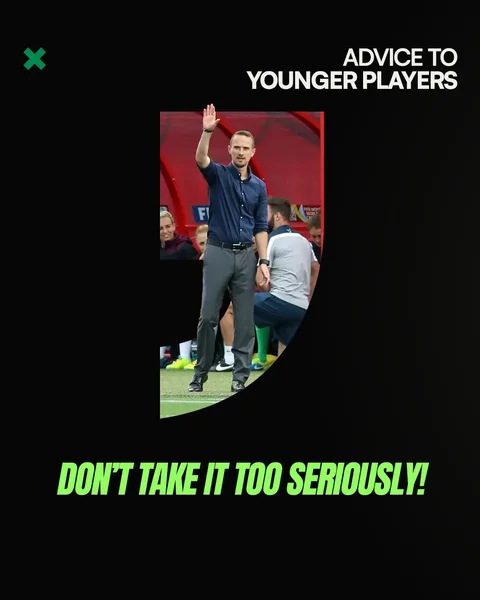
65:24 Mark Sampson Yeah, I think honestly there's probably three things that I tell myself when I start my coaching journey. One, don't be in a rush. Don't be eager to settle off Premier League bench, like earn the right, as we just mentioned. So don't be in a rush. Number two, there's no substitute for hours on the grass. You can't learn what you can learn on the grass in a classroom or on a tactics board. You have to. spend hours and hours and hours on the grass dealing with people putting on different sessions. And number three I did have in my head I've completely forgotten it. That's right honestly keep it simple like try if you can't explain something in a sentence then you're not explaining it correctly. So I think those are three big things and again on my travels now with culture education They're the things I'm encouraging people to do. But those other two, get your hours on the grass and keep it simple with practice design, how you interact with people, how you communicate with people. If you've got nothing good to say, shut up. So I think they're the qualities I've seen in coaches who are moving up the pathway for sure.
66:40 Jan Yes, love it. And maybe to come to that last part of the conversation, obviously you're now working with Coach Better. It's a full time position in football. That's the other part where I'm like, okay, you've gone through the coaching career, you've gone through the co sorry, you've gone through the playing career, you've gone through the coaching career. Now you're still working full time in football. And I guess that's feedback to players out there as well, that maybe 20 year old Mark did not think about where you are gonna be at now and that this was be the goal or this would be the ideal, but maybe give one or two parts of like what football has given you throughout your whole life and your career and and s maybe something else that you would suggest to young players to think about besides that only one pathway in terms of playing football full time.
67:26 Mark Sampson Yeah, look, Joe, I'll try and relate it back to coaching. So again, you my daughter's playing under 10 football and I try and support the coach away from the field and just pick up the phone. You want to share a session plan? me, feel free. And we again, had this conversation of managing parents and we decided to come up with this, I'll just quickly tell the story. We decided to come up with this list of, right, let's write down the technical, tactical qualities. and then let's write down what I call the people qualities the football develops. So on the technical side you've got passing, dribbling, right? Technical build up, cross and finish and whatever. And on the people side you've got like being a great teammate. You've got managing conflict. You've got on the girls side especially learning how to compete in the right way. And we literally sent the list out to the parents and said, right look. The coach has only got an hour and a half a week. If there was only, so she can't work on everything. She'll work on everything, but she can't really influence everything, change. So if there was only three things at the end of the season that you'd want your child to be better at or more informed in, out of that list, what would the three be? And what we'd love to do then is every time you watch them train or play, just assess them against those three. And at the end of... every so often will sit down and say, how are we all doing? Are they improving in this? What can the coach do better? What can you do better as parents? And, what do you think they voted for? Bear in mind, these kids are eight, nine years old.
68:59 Jan I would hope playing together as a team, enjoying themselves and competing.
69:04 Mark Sampson Absolutely, and that was exactly it mate. Honestly, no one voted for any technical qualities and again for me as where I am now and the reason I tell that story is that one it's really helped them shape their coaching now because instead of thinking about right how we're gonna work on passing they shape the sessions and go right how we're gonna work on teamwork today and of course there'll be some pass they're playing football aren't they? They're gonna improve their passing and dribbling because they're just playing. focus is a bit different and the reason I tell the story is that moving to a more, let's say, business orientated role, what I've learned is that they're the skills that I've picked up through sport that have really helped me transfer to other parts of my life. know, and the ability now to work within a team setting, to compete in the right way, so push, push, push, but knowing When to stop, never give up. Work ethic. The ability to manage conflict. Like these are super important skills in both my personal life and my professional life. And I think, again, flipping it back to the coaching circle, if good players that will develop anyway, we said at the start, they'll develop because they just... If you just let them play a lot, they'll get better at football. But if you can really influence the environment where you educate them in those areas, that will do as much, give as much benefit to them being a footballer as it will to working on passing and shooting. I'm committed, that's the case. And I were lucky enough that I experienced all of that as a player, as a coach, and now as an adult, I'm able to be better at having... Difficult conversations, managing conflict in the household, in my day to day life. Managing people. All these things are skills that think football can bring to life if there's a bit of a focus on it. So I think I've been lucky in that case but certainly for those who have been involved in football, don't ever feel like, I'm stuck in this box. I don't even know football. Like those qualities are apparent in every walk of life. You know, whether you collect the bins. whether you are managing this huge investment fund, those qualities will help you move forward in your life, whether or not it's in football or not. I definitely encourage those young people who are thinking, am I gonna make it as a player? Am I gonna make it as a coach? To be honest, be frank for me, mate, I'm a little bit burnt out here. I've given everything to this game and poof, I'm not sure I can keep going for the 20 years. I wanna diversify. then those qualities will be beneficial to other people.
71:53 Jan Mark, honestly, I think that's a an amazing summary. I think that's a very good piece of advice. I even that's one that I take on for myself as well, because I feel like sometimes we get caught up in what we're doing in our everyday life that we stop to think about where we've started and where we've come to. And the same thing for me as I'm sure for you is like football has enabled me to come to the level that I'm at now, the country that I'm living in, the the everyday life that I get to live. That's all due to football and putting in the hard yards, like you said. at an early age, the the plenty, plenty of hours as a coach not getting paid,
72:29 Mark Sampson Yeah.
72:29 Jan to get the knowledge, to deal with the people, to see pathways of players, to see pathways of coaches, to pick the side and the yeah, the characteristics of the ones that are succeeding in a positive way, where you can still relate to them. And I think that's that part to yeah, bring this episode to an end to say to young players as is like, hey Even if someone is better than you, or even if you see other players, take some characteristics of them, study them, look at them, and maybe there's one or two bits and bobs that you can pick up for yourself and improve. And if your environment is not 100% perfect, don't complain about the environment. First try to fix the environment yourself because you're part of this environment.
73:09 Mark Sampson point.
73:11 Jan And then if it still doesn't work and it still doesn't progress because you're giving all your energy into that. Then it's a time we can say, Okay, now maybe you have to look somewhere else. But don't complain without
73:19 Mark Sampson soon.
73:20 Jan even trying to to shape it in the way you want it to be.
73:23 Mark Sampson Yeah, no, that's why you're creating good environments mate. They're really good questions, aren't they, for players? What are you doing to change it? What are you doing to make this a positive place to be? Because there's no neutral ground, is there? You're either bringing something to it or you're taking something away. There's no in-between. If you're doing nothing, I promise you you're taking something away. But no, I've loved the chat. It's always good to chat football with you and hopefully... There's someone out there who takes something on board and it affects them as a player, coach, parent, whatever it might be.
73:53 Jan Yeah, and I hope that this is this is even a a call to everyone that's listening and and watching to say hey, what was maybe one or two points that you had not thought about before? Send us a message, leave a comment, and say hey, this is something that we took away because then at least we also know that we have actually given some good advice and people are like, this was a good point to think about, and we're not just staying in our bubble and not making it only football relay for the people that actually work in football.
74:16 Mark Sampson Yeah, absolutely right mate. We definitely don't know it all.
74:21 Jan Mark. Thanks a lot for coming on, really enjoyed this chat with you. I know we could have gone for many, many more hours. I hope you will get to come to Australia at some stage, so we can have a coffee again. That will coffee will definitely be on me. And I'll tell then, yeah, good luck to you daughter
74:32 Mark Sampson I'll be a first.
74:35 Jan on her journey. I hope the book will mainly stay positive of the the notes that she puts in there, that you stay in your role as a dad rather than the coach. and until then, yeah, stay healthy, enjoy the UK, enjoy football, enjoy all the amazing games that you guys get to watch. That's something I'm always missing out on. and until then, all the best.
74:55 Mark Sampson Thanks mate, see you soon mate.