0:00 Alexander Fuchs I think Kompany said it once don't believe the hype, but it's like that. especially in the younger ages, because there are so many players who want it so desperately, you really have to keep going and going. And if you have one good season that's okay, but it's not enough.
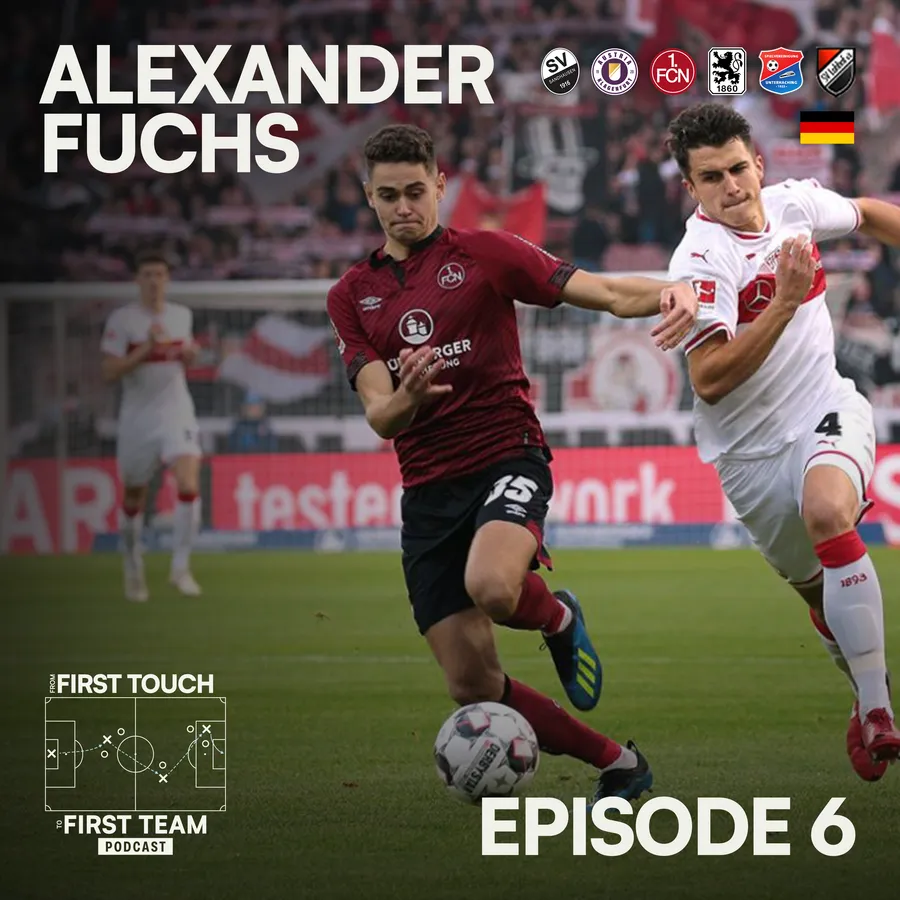
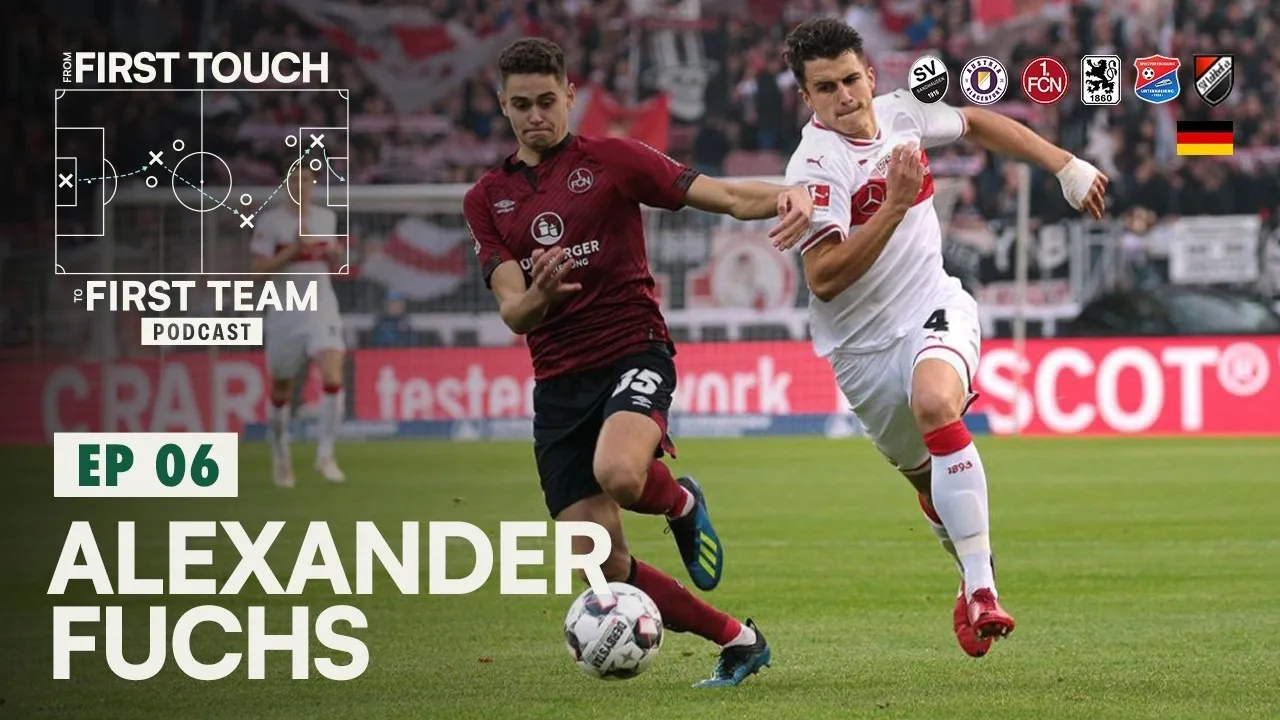
0:13 Jan Welcome back to From First Touch to First Team. I'm Jan, your host, and today I'm sitting down with Alex Fuchs, a player who came through the 1860 Munich Youth Academy, made his Bundesliga debut at 21, and has spent a significant part of his career fighting back from serious injuries. In this episode, we get into what it actually takes to survive one of Germany's most competitive development environments, how he kept going through repeated setbacks, and what studying psychology while still playing professionally. Taught him about the mental side of the game. Before we get into it, every episode on this show is a conversation that a young player or football parent somewhere needs to hear. If you know someone that is on their journey, please pass this on. Subscribe, share it, and help us build something that genuinely helps them. And if you have a question, a comment, or something you want us to cover in a future episode, drop it in the comments on Spotify or YouTube. Leave us a review or send us a message on Instagram. This is for you. And now enjoy the episode with Alexander Fuchs. Alex, welcome. Good morning to Germany. What is the time for you right now?
1:23 Alexander Fuchs It's twelve PM and thanks. Thanks for having me.
1:28 Jan Yeah, very excited about this chat today. first of all, welcome to the podcast First Touch to First Team. We're gonna talk about your journey today, about how it was to grow up in Germany, to make it to the professional level in Germany. We're gonna also dive a little bit into the topic of you starting to study psychology while playing professional football. So that will be a very interesting conversation today. But before we jump into that, I usually like to have my guests introduce themselves a little bit, especially maybe many listeners that are here in Australia, maybe somewhere else in the world that don't know the the German football system and also don't know Germany that much, then maybe have not heard about you. So who is Alexander Fuchs?
2:13 Alexander Fuchs Yeah, like you said, greetings from Rainy Munich today. I'm Alex, twenty nine years old. I'm a professional footballer and I'm in my rehab right now and I've been playing football for as long as I can remember. So I've met a lot of yeah, good friends and made some special memories during that time and I'm very grateful for that. And as you already said, besides football, I'm studying psychology, I'm doing my masters right now, and yeah. I think everyone I I love spending time with my family and friends.
2:44 Jan that's a great introduction and I'm sure we will find out more about yourself. So just a little note, I'm wearing this this t-shirt for the first time in an episode today because one, I got a lot of comments from friends and people that's like, your shirts are too plain. Two, obviously at the time of recording we are two days away from the start of the World Cup. So living in Australia, I have to represent Germany in some way, and of course this is a good time. Alex, before we go into the full journey, maybe let's start with your first touch. What was your first contact point with football? How did it start? take us back in time and as much as you can remember.
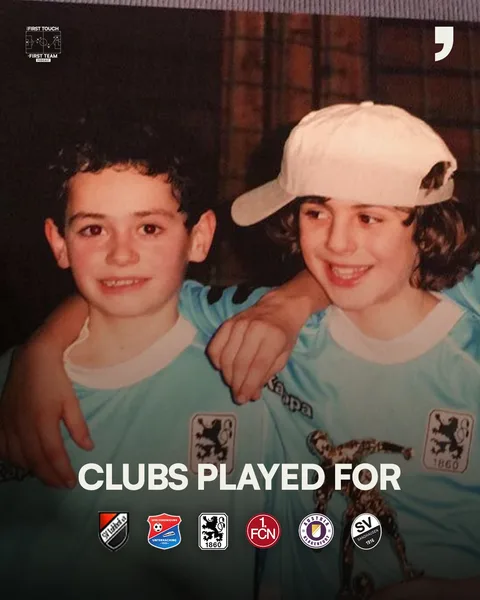
3:22 Alexander Fuchs Yeah, for sure. It's really quite hard to remember. I think I've must have been three or four years old. I think it's a big advantage if you have an older brother. So as a younger sibling I was just running behind him and he's three years older. So yeah, when I was three or four maybe, I started playing football and it was like, yeah, you could really say love at first sight. I I still remember I just wanted to play football all the time. And officially it started when I was five. I joined our local club. And yeah, it was quite early, but I remember we had a coach and she was so kind and caring and she she taught us about enjoying the game and and and having fun what we are doing. So I think it's quite a simple idea but I I still I still see it every day that it's so important that you love what you are doing to perform at the top level,
4:11 Jan Yeah, it's crazy when I did a bit of research about your start. correct me if I'm wrong, but you started with SV Lohof, which is like in the Munich outer area. And when I was coaching in Germany, we actually took one of the teams I was coaching in like a younger team to Lohof for an international tournament. And that's the first time I ended up being in Munich over the weekend and then saw Lohhoff, I think I remember that name, I remember the club and it was an Incredible under-levels tournament, Bayern Munich, Leipzig, AC Milan. It was insane. so yeah, like you said, you started them playing there. probably, just having fun. Was there already back then you following which team? What was your heroes that you followed that you watched?
4:56 Alexander Fuchs I think growing up in Munich, yeah, of course there's yeah two bigger clubs, it's FT Bayern Munich and 1860 Munich. I hope I can say it, but I I was I was a FT Bayern Munich fan. that's quite ridiculous because a few years later I moved to eighteen sixty Munich and there's a bit of a rivalry, especially in the youth. yeah, but when I grew up
5:13 Jan So did you change the supported back then?
5:16 Alexander Fuchs Yeah, you had to with that back that days
5:18 Jan Yeah, I should.
5:19 Alexander Fuchs because yeah, our coaches they were really there was a bit bit of a rivalry. They really wanted us to win against FT by Munich and the youth academy of eighteen sixty Munich is really strong. So I think yeah, we could really compete with them. we beat them a lot of times. So I think in in my age group I think we were even a bit stronger than them. but It doesn't change anything because I also grew up with Frank Ribery and players like him from FC Bayer Munich and it was yeah, it's so beautiful to watch them. And also my first jersey, to be honest, I think it was Ze Roberto also player from FC Bayer
5:50 Jan Yeah, it was it.
5:51 Alexander Fuchs Munich. So it's a bit of cool story.
5:55 Jan It's hard to neglect and and all obviously you have to admit that in in Munich especially you have Bayern who are competing in the Bundesliga year in, year out, always in the Champions League, and then 1860 was there, but then over the years, unfortunately, they they got relegated and there were a few other troubles. So it's probably two different levels now in terms of free support. And I guess if you're coming from Munich, you can probably nowadays maybe even support both of them because it might take a few years till eighteen sixty goes back up. So you already mentioned it, you started with Svalov playing just for fun. When did it happen that the transition happened that someone was like, Wow, this kid can play and then you join eighteen sixty Munich's Academy?
6:40 Alexander Fuchs I really remember the story because I I was always playing with one year older boys and we had one tournament. In Germany it's quite common. I don't know if it's in Australia the same. You get an award for the best player of the tournament. And on one day we had that tournament and I got the award and I was so proud because it was the first time I got it. It was still with SV Lohof. And so I was happy I was an eight-year-old kid who won the the award. So I went home and On that day, my father told me that a scout from 1860 Munich contacted him that they said they really want me to go for a trial. And they thought I I was even one year older because I was playing with the one-year older kids. And then when they he heard that I'm even one year younger, they even wanted me more to come. And then I
7:22 Jan Yeah.
7:23 Alexander Fuchs I went for the trial and and it went well. I I had so much fun and they really wanted me to join their academy. Yeah, and then I was yeah nine years old and I had to make a decision. with my parents of course at that time. And yeah, but I think they saw the joy in my eyes. playing for a bigger club i is a big advantage and a big opportunity. And so yeah, we we made the decision.
7:45 Jan Were are your parents big football people? Were they in touch with football before you were born and your brother? Or was it nothing and then you guys just decided, we wanna play football?
7:56 Alexander Fuchs Yeah, my my father really likes football. He was playing he was also playing football but not at the highest level. His brother played quite well in Ingolstadt. And so he's he's really into football but not playing his by himself on this level. But he supported it of course and also my mother, they really they really wanted to really wanted us to shine and what makes us happy makes them happy. So I am so lucky that I have such supportive parents.
8:22 Jan Yeah, no, that's great. And then take us a little bit more into what does day to day, what did a week look like in terms of training in a Bundesliga Academy with players that some of them probably reached a very, very high level as well, probably the highest standard of plays you can get in the Bavaria area with Bayern Munich. did something already change? Did you approach the game differently, or was it just still having fun not thinking about it much?
8:51 Alexander Fuchs Yeah, it was more than one decision because I also joined a a school that is specialized for elite football. So they they have the cooperation with the teams. So I just I also went to the school. So my days were quite long. I I started in the morning at seven from home and and went by train to Munich and went to school there. And these special football classes they're really cool because you have a normal schedule, but you even train in the morning. So you have normal sport classes but also football classes. So on a random Wednesday, for example, the first two hours you have maths and then the next two hours you have football training. And that's really cool. I I really loved it. But you have to say I was nine or ten years old and I was training five or six times a week already. And because you have this schedule, you also have longer classes in the afternoon of course. So the days were quite long. After school you went to training and after training home. So it was really a full day full of football and school. But I really enjoyed it. I I I I think the concept is is so cool
9:52 Jan Yeah. You have to love it. Yeah.
9:54 Alexander Fuchs to train in the morning. And even if you're in the in in school for so many hours, you get tired, a bit exhausted. But if you have football in between, we had so much fun. I remember it going on bike with my boys to the training ground and having fun. It's really cool concept. I I would I would do it again for sure. And then back to the original question, of course the the level was different. it is a already in that age it's it's really selected. So you see every year players come, players go, and you really get a mentality to win in this early age. I really wanted to win everything, and we were 10, 11, 12 years old. But I but I I also like it. I think you have to improve as a player, but you also need that mentality to win. I think it's important in football and Yeah, I c I would say I'm the classic academy kid. I I went there when I was nine and then I ran through all the youth teams and made it to a professional. Yeah.
10:49 Jan Yeah. I I had Will Kennedy, he's here from Sydney of C but here in Australia they only start the A-League Academy, so the professional academy from under thirteenths onwards. so then he played in his local club. But I think you made a an an amazing point when I look back and I think back when when I was coaching under elevens and we went, for example, for t the tournament in Munich, and then you compete with all the Bundesliga Academy teams under elevens. the level and the standard and the hunger to win at that age without coaches even having to reinforce it is already so high where you can tell that there's so many players that just have it that they just want to win. And as you said, if you want to go all the way, I think that's one part, that you you kinda have to find on every p player. I think there is no professional player that goes and says, Yeah, I don't mind if I lose today. I don't think that exists.
11:44 Alexander Fuchs That's true. I think it's crucial because I I've seen it over the years. And it's even if you play table tennis or something. I think you have you have to have the feeling. It feels so good to win, and we really want it. Of course, you have to show respect in the feet for sure. And you can't win all the time. You can't have good days every day. So there will be bad days, there will be bad games. But I think You have to learn from defeats and then try to not lose again,
12:11 Jan Yeah. So then we're going a little bit further in time. You're still in the academy. Let's talk about these ages where football I would say becomes even more serious on the fifteen, sixteen, seventeens, where in Germany, for anyone who doesn't know, majority of the time, especially nowadays, all the teams or the Bundesliga Academies compete in their own league. You play against all the clubs in the area. Sometimes you travel one, two, I don't know in Bavaria, maybe three, four hours to to go for a match day. What was that time like and around that time if you're thinking back now, was there already the thought of okay, can I actually go to the professional team? Was the main goal to make it pro debut at eighteen sixty? What was the dream like?
12:58 Alexander Fuchs Cool question. I think U fifteen, U sixteens, it's still a bit of preparation. it's very important that you play well because otherwise you will be exchanged. It's like that in this system. But I think
13:09 Jan Yeah, you got to talk the next year.
13:10 Alexander Fuchs I think starting, yeah, starting from the U seventeens, then you play the U17 Bundesliga, you compete. It's the southern part of Germany, we compete there with all the top teams and then it feels like yeah you play against the best players in this age group and then you feel like can I compete? Am I maybe a bit better than than the other teams or the other players. And I think the U seventeens and especially the U19s, the first and second year. We have two years in the U19. They are very crucial. And unluckily I was like I had a knee injury in the second half of the U seventeens and in the first year of the U nineteens. I was struggling a lot with injuries and it's a really crucial time. So yeah, had my doubts of course, but I'm really grateful for the club because I've been there for so long. So everyone knew me, but they waited for me. They gave me the feeling that that I will come back, that they're waiting for me, that they still believe in me. And I think that's not so common in football when you're injured th there are so many players who want so badly to be in the first eleven and to to be a professional. And I remember my coach in the U19s. He really came to the hospital when I when I got surgery and he says like he knows what I what I'm capable of of playing and he's waiting for me. And it was like an extra motivation. I was l running like crazy when I could start doing some hit workouts and stuff. I really I trained so hard because I knew They were waiting for me. And then in the second year of the U19s, it's it's really very important. If you you were 18, normally you you can already be maybe training sometimes with the professional team or the second team or reserve team. And so you have to you have to perform in that age. And we had an amazing team. I think nearly nearly every player made it to the professional level from that team.
14:57 Jan Well, okay.
14:58 Alexander Fuchs So yeah, we were we made a played a very strong season and we made it to the championship semi-finals against Borussia Dortmund. And we played against against Passlack, Pulisic, Bruun Larsen and they already made their debuts in in the Bundesliga for Borussia Dortmund. And we won at Signal Iduna Park, but unluckily at home we lost two zero, so we were out. But it was in a special year. And then you see when you play well and the team was successful. So I always say when the team is successful, the players can shine. And so yeah, my agent told me like this club was calling, this club is calling, and it's crazy because two years ago I was like I barely couldn't play because of the injury and one year later football changes so fast. I I nearly every week someone was calling because our team is like that in that age. If you play well in that age then yeah, you're very attractive for the market. Yeah.
15:48 Jan Yeah. Gosh, you have already sparked so many questions in my head that I want to go into detail,
15:52 Alexander Fuchs Ha ha
15:53 Jan so I'm gonna have to think where do I even start? Let's say the first question probably and you can maybe answer that a bit shorter, is during the time under seventeens, nineteens when you were playing, was there ever a play you versed where you're like, Whoa, this this guy is another level?
16:12 Alexander Fuchs I have to say from the beginning, it's from the U10s I saw Benny Henrichs playing, he's like
16:17 Jan Okay.
16:17 Alexander Fuchs in in in Leipzig right now. He was different level. He was different level from the beginning. I I was sure he has to make it and he did it of of course. And yeah. You see a lot of good players, but I can't say the best players except him from the youth made it to the professional level or played the highest level. So I I was lucky to play yeah the two. Felix Uduokhai and Flo Neuhaus, they made it to the German national team. I was playing with them for 10 years. They were very good, but it was not that clear. They made big steps at the end of the youth, and then in the professional environment, they really.
16:52 Jan So at the end of the youth when they were seventeen, eighteen, nineteen, slowly breaking into
16:55 Alexander Fuchs Yes.
16:56 Jan senior football.
16:57 Alexander Fuchs Even Flo, for example, he's an amazing player, a lot of talent and very intelligent player. But he was he was quite struggling. Even with seventeen, eighteen, he was a good player, but not that outstanding. It was not clear. But when you saw his development in the professional environment when he was playing for Düsseldorf and Gladbach, it's it's it's outstanding. And it's really cool to see because I think our like our team, we had a lot of good players But we weren't nominated for national teams all the time. There were other players from Leverkusen, Bayern, Nürnberg and stuff, but our team not. But a a lot of our players made it to the top level. I think sometimes it's quite good to be flying a bit under the radar, I don't know.
17:33 Jan So with all Yeah, with all with all the knowledge you have now with your age and the the pathways of players that you've seen over the years that you played with in different clubs, what would you say from that team at 1860 that you were with, what was it that many of these boys later on were able to break into professional football? Because usually usually you say the chance is so slim that one player makes it out of an under nineteen
17:59 Alexander Fuchs Yeah. Yes.
18:01 Jan team. Is there something that you can pick that you say, that's the reason why?
18:06 Alexander Fuchs I think in football there is much about momentum, and you have to say we were 1860 Munich. It's a big club in youth, but it's not the same level as Bayern, Dortmund. And when there comes one team that that that plays so good, we scored a lot of goals, then of course there was a lot of talent. But I think there were other players who were hyped much more. And if you're hyped, it's it's always it's nice to have, but it you aren't you aren't there. You didn't reach the destination of becoming a professional. And our team. We knew we were good, but everyone had to prove. So we didn't have the big contracts yet. we were just like a a team of of talented boys who really wanted to win. And I think it's a bit also luck, I think, because so many players from one team, that's not usual because still now a lot of them are playing the first and second division in Germany. That's quite a quite a quite a good level. So yeah, it's really cool to see.
19:03 Jan And then I usually at this time now, this chapter where we're covering or finishing up with the youth environment. I usually ask the place looking back now through the youth career, is there something that in the long term you would you would do different? as a very young kid, eight, nine, ten years old, maybe around fourteen, fifteen, sixteen. Is there something that if you could go back, you would do different, change, approach differently?
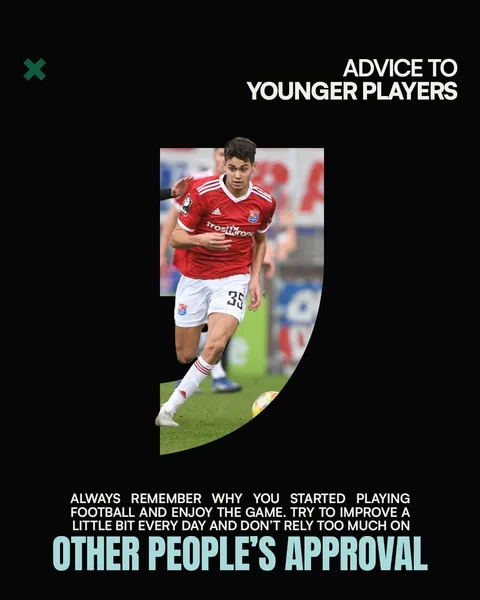
19:31 Alexander Fuchs Yeah, I think always remember why you started, because even in the youth it can be sometimes quite tough. If you don't play, don't never lose the love for the game. And then I think you need a hard work ethic. Nowadays there are a lot of players with talent, and I think there is a difference how you approach things. And I think of course in football you have to think that you're a good player, but take back the ego if you get constructive criticism. or advice from good people like coaches, I don't know, family, sporting directors, etc. Take the advice and try to improve. If you think the advice is not good, okay. But I think sometimes there's a problem, everyone wants praise, but you really have to improve. So take advice seriously and try to improve all the time. But on the other side, don't be too dependent on approval. I I think Kompany said it once don't believe the hype, but it's like it's like that. You you really have to improve, especially in the younger ages, because there are so many players who want it so desperately, you really have to keep going and going. And if you have one good season that's okay, but it's not enough. So I would say really stay stay focused and love the game. And even in the bad times, know why you've started.
20:47 Jan Yeah. man, amazing, amazing feedback. I think that's an amazing advice. as a player, when you're in it, it's so hard to to think like that. Especially if yeah, things are not going well. There's another question that is one that's important to me because obviously here in Australia the system is a little bit different, the way you football is approached. There's one big topic that I find is is not good, is that We talk a lot about game time in football, but here in Australia a lot of the times everyone gets game time. Even on the highest level, even in the A-League Academies in youth football. And I try to give players perspective and say that in under 17s, under 19s Bundesliga, there's players all across Germany that are traveling three, four, five hours one way to go to a match day, to sit on the bench for 90 minutes, then they drive back home three, four, five hours. But on Monday morning when the next training session starts, or even on a Sunday, whatever it is, they're trained still with the same professionalism, the same intensity, the same energy, because they're like, I want to get into the squad, I want to be in the starting eleven, and I don't want to miss out on playing again on the weekend. Did something like that ever happen to you? And did that help you in your long term career as a professional footballer? Because that happens even more, right?
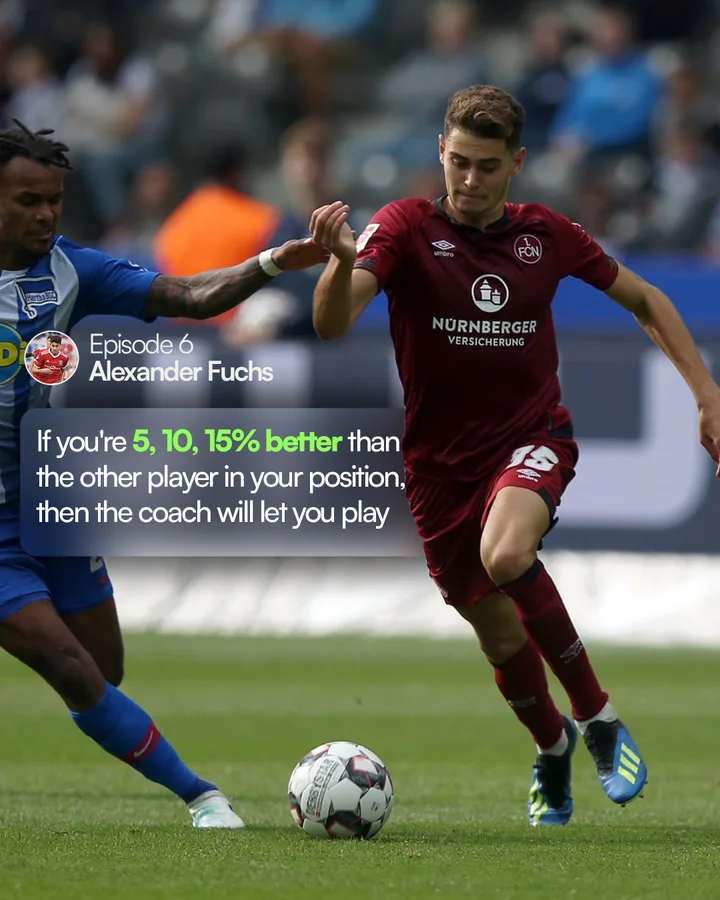
22:13 Alexander Fuchs I think it's it's quite frustr frustrating if you don't play. So I I've experienced it when I was a professional, when you're sitting on the bench, a lot of the times, even especially in my early stages when I was playing at a very high level, and it's very hard. But like you said, I think football changes so quickly, and you you don't get so many chances. Sometimes you have one or two chances. So if you're angry with the coach and Maybe you're disappointed and you train worse, you won't get the chance. And even if you don't train the same the same spirit, you won't be ready when your chance appears. And I I've seen players, they didn't play at all. Or even me, I was I wasn't playing much in the second division. I had one good preseason in the first Bundesliga and I started the first five games. So it can be so quick, but you always have to improve. And I know sometimes football is not fair, and of course the the opinion of the coach is subjective. So sometimes you really think I'm doing everything I can and he doesn't see me, that happens. Then maybe you should try to change the club. But most of the time the coaches want to play with the best players. So if you improve and train and you are better. Maybe if you're on the same level, it's not enough that he will let you play. But if you're five, ten, fifteen percent better than your opponent, I don't I don't know how to say, like the other player on the position. then I think the coach
23:36 Jan Yep. Alternative. Yeah.
23:39 Alexander Fuchs yeah yeah the coach will let you play. And I know it's frustrating. It's very hard and it's not easy and y it's it's also right. Don't don't suppress emotions. It's it's right to be angry, but but use them, use them for for training. Use them for doing something that makes you you better or makes you fulfilled in life. Don't be at home and and ruminate and be sad. go to the cinema with friends or go outside or or do something. But I think just thinking about a bad situation doesn't make it better.
24:08 Jan Yeah. what Nicolai Miller, for example, said in the in his episode was that his goal was to be so good that there was no reason for the coach to drop him. And I think that's the mentality that takes players to that level, that even like you said, for times where you feel like you're at the same level as another player, they get the chance, they are starting, you maybe get five, ten minutes in the end. You still have to apply yourself with the same level, if not even more, because that person that's playing is probably at some stage gonna be thinking, okay, I'm starting, I don't have to work as hard anymore. And then, like you said, when your time comes, you have to be ready. So let's jump into that topic. We want to progress towards the moment that you're getting closer to professional level. Take us into that time. You guys played semi final in the German Cup. What happened after that? What was the transition like to break into senior football?
25:03 Alexander Fuchs Yeah. Like I said, after this season we played very well. my agent was contacted by some clubs, also big clubs, but I still had one year contract at eighteen sixty Munich. So I just took the normal step to the second team from eighteen sixty Munich and I started training with the first team. It was like when I was nineteen. And I think it's you're not allowed to contact officially with an offer a player in his last year. in the first half of the season. So when it's January, you're allowed to contact a player. And I was contacted directly in January from Nuremberg. And that impressed me because Nuremberg is also a big club, a traditional club. And they contact me, they showed me a clear vision and a clear plan, for three years what they what they are planning with me. And yeah, I was happy. I was happy with that. And I had also some offers from clubs from the first division. Nuremberg at that time was second division. But they told me I should train with the second team first. I get a professional contract, and then maybe over the years I can progress into the first team. And I but I wanted really to start with the first team. And I also had an offer from 1860 Munich for the first team. It was also second division that time. But the way Nuremberg approached me, they really they really knew much about me. I I had the feeling they they know which type of player I am. They sh they showed me my strength, my weaknesses. They show me a clear plan and that impressed me very much. So so I signed I signed there and I'm very happy happy with it.
26:31 Jan So take us back to the moment, what is it like to get approach, to know that this pro contract is very, very close, to then sign it? Who was there? what did it feel like? Yeah, take us back maybe to that moment.
26:44 Alexander Fuchs Yeah, it's an incredible feeling, of course. It's a it's a dream signing a professional contract, especially with such a big club, because Nuremberg really has a big tradition. And yeah. When I was there with my agent, it's it's a bit yeah, you are like a young boy, but then you're becoming a man, but you come to a medical test, you they're they're testing you every every corner of your body, and it's like it's crazy. And then you then you sign sign a contract and now you're playing with the guys because I've been of course in the stadium sometimes watching them play and and d the atmosphere in in the stadium in Nuremberg is is amazing and I I was like thinking, Okay, next season I can stand on the pitch with the boys and yeah, it was a very happy moment of course, also for my family and my friends,
27:27 Jan who were the the people that influenced you the most from your youth from the beginning over your youth career to then signing that professional contract?
27:37 Alexander Fuchs I think I have I'm lucky I had a lot of good coaches. And but first of all I really have to say my my family because I really love their approach. They they never put pressure on me. They said do what you love. If it works out, that's fine. If not, do something else. And my mom, to be honest, she always was pushing a school. So I I was really a really good student as well because she always told me, you don't know, you'll never know if it works out. The chances are not that high for sure. And so she she told me, Alex, you can you can play football, but imagine if it doesn't work out, then you have a plan B. And so she was really pushing me towards school. but I but I really loved the way the feeling they gave me. I was not a better son if I played well or not, if I was in the first eleven or not. And I think they supported me, but without without putting so much pressure on me. And I really, I really, I'm really thankful for that.
28:29 Jan Yeah. And I think that's the the probably the healthiest approach parents can take. That they say during your youth, focus on school, enjoy football, give it your all, but there's no pressure, there's guidance, and if it works out, amazing, goal achieved. If it doesn't, at least you a plan B. when you're looking back you also said I I had amazing coaches, is there A particular advice, something a coach once said to you, maybe a coaching philosophy that you experienced during the years that stuck with you, that you always took on board and then maybe even through your professional career you you remembered.
29:09 Alexander Fuchs Yeah, I really liked coaches who wanted to improve the players and to make them better every day. who are making a lot of technical drills, who really want to make the players better, see their strength and weaknesses and and go into deep work individually with the players. And what I really liked is when when coaches behave the same. No matter if they need the player right now or not, you have sometimes you see coaches, they are very good with the players in the starting eleven because they need them right now. But I think over the season you need all players. So what impressed me always was the coaches who saw the whole squad and who also saw the players who were a bit behind and told them, Yeah, you're a good player, your time will come. If you do that, that and that. And then if you're authentic and honest, I think there will never be a problem
29:56 Jan Would you say that same thing applied in your professional career?
30:03 Alexander Fuchs Partly I had this in Nuremberg because in the first year I was struggling a bit with playing time, but the coach gave me the feeling that I'm a good player and he said my time would come and then I made it in the first Bundesliga season. he gave me really the trust and I could play yeah, nine games in the first half of the season and eight from the beginning. But of course in professional football it's a hard business. I also I also experienced coaches who never talked who didn't. care so much about the human behind I think it's a tough business. It's okay. I I don't judge it at all. But from the approach I would do, I would really try to see the human. And I would really try to be honest, because of course this the squad is too big. in football everyone thinks he has to play. It's not easy that all players are happy. But you can try. And if someone doesn't want it then you can say okay I don't talk to him anymore, but I think communication a better communication is possible, especially in professional football.
31:01 Jan I think that's obviously the the dream. And I think coaches that manage to achieve that level of respect in a whole squad to include every single player are usually the ones that everyone looks back and say they're probably where the most successful one in a club, in an era. and hopefully, yeah, some coaches even in the younger age groups consider that feedback and that advice from a professional player like you that says Even in youth I think it's so important to include every single player to ultimately get every single player on a better level but also make sure that everyone enjoys that part of the journey and looks back on the season and says, Well, maybe we're not the most successful but we all learned so much So let's go then second year Nuremberg. Is that the moment you make your professional debut in the Bundesliga?
31:48 Alexander Fuchs Yes, exactly. I made my debut in the second division the year before when we then we got promoted and then I made my debut in the German Bundesliga. And that's really for me even the most special moment, even more special than signing a contract because signing a contract is nice, but you didn't play. So but when you
32:06 Jan Where was it?
32:07 Alexander Fuchs yeah, it was incredible. I remember it. This was like Olympia Stadium in Berlin. It was the first first game of the season. I'm in the starting eleven and I remember just goosebumps when we were like driving to the stadium. you play in front of 40, 50, 60. I also played at Signal Iduna Park, 80,000 spectators. And you go in there and you imagine the little kid who who played like with friends and then you see yourself walking into these stadiums. That's that's really unbelievable. And really have to say that are one of the most special moments and the happiest moments still in my whole life. And yeah, it it's definitely worth it, all the work. I unluckily I didn't manage it to stay at that level longer because I think it's it's so cool. but yeah, even the few games I made, I will never forget them for sure.
32:53 Jan So in these moments where you walking into the stadium where you are maybe just before the the whistle, before the game starts, you're looking around, you see a full stadium. Let's imagine Signaliduna Park, 80,000 people, you staring at the yellow wall, it's noisy, you can't hear anything. Let's take us to the performance part. How do you as a player, especially in your first games, stay fully focused on the game? and make sure that you still are able to deliver your best performance possible while having to deal with all of these emotions and impressions of a full stadium, first games in the Bundesliga and so on.
33:35 Alexander Fuchs Yeah, I think you're full of adrenaline. So I think you don't really realize it so much during the game because you're so in the focus and you really you really try just to be in the moment and enjoy it. But of course, there is a bit of a change. when I was starting, I was driving to the stadium and I was just happy. I was like feeling like, my gosh, I'm playing Bundesliga. But then of course, because Nuremberg. We were like for the Bundesliga, we were a smaller team. Our squad was not that strong like other teams. So we started we started quite well in the first games, but then we started losing and losing. And then something changes. And then when I was playing again, I I drove to the stadium, and it was not anymore this, yeah, just have fun, enjoy it. It was like please let us not lose, let us make a good game. You you think about the consequences and That is also one of my biggest advice. If you start thinking about consequences while you are doing something that you have to be fully in the moment, it's gonna be difficult. And I saw it in the whole squad at the beginning of the season, we were believing we were thinking we can play this level. We saw it in the first games. But then unluckily we lost some games quite high. And then when the other teams were scoring a goal, you started it started to ~
34:52 Jan Yes. Spiralling, yeah.
34:54 Alexander Fuchs Yeah, finding in the mind and you saw the body language going a bit down and on that level, then they will kill you. It's like that. Yeah.
35:04 Jan Yeah, so we obviously discussed that during your time at Nuremberg you already decided to study psychology. Now you mentioned a very, very important moment for a lot of players that if they face the same challenge in the game over weeks, then the same thought kicks in, the spiral starts. Now with all the knowledge that you've gathered through studying psychology Is there something now that you say, also from your experience as a player, that is useful in these moments and how to deal with that?
35:36 Alexander Fuchs Yeah, I think so. Especially in that age when I was like playing Nuremberg you of you also have the criticism of the fans after like a a bad game and I think it's quite natural because they love the club so much and then they're disappointed. But on social media, if you're young, I was maybe twenty-one. Of course when I scored my first Bundesliga goal, five hundred people are writing, Congratulations. But if you play bad, sometimes there's also hard criticism. You're not good enough, you're a bad player. And I think what really helps me from psychology is there are some things you can't control and other things you can And if the focus is too external, like praise, or you think you believe when someone criticizes you, it's gonna be difficult. And back then I was not that stable. I I it's like a bit like a self-fulfilling prophecy, but when I when I read about I'm not good enough, a part of me believed it I'm not good enough. And I think That was tough because I was at that level and I played the first five games from the beginning. I was nearly into it. But then we lost and I felt like I didn't have the confidence anymore. And I felt like I didn't train the same as before. And it was like like you said, a spiral and it was big going downwards. And I think it could have been prevented. if I knew more because now I'm older, I'm in my rehab right now, so it's a bit different. But I have some routines I think like breathing, meditation is very good for focus, you self-talk, you can work on it, visualization, you can prepare for the moments before the game. Then when they happen, you are prepared. So I think psychology is very powerful. Especially I think that psychology is gaining more and more importance in sport. Luckily and it's still a bit yeah
37:21 Jan Especially in high performance because the margins are so much smaller.
37:24 Alexander Fuchs for sure. And there's room for improvement in that in that area, but unluckily it's sometimes still misunderstood because you have the positive psychology, you have the performance psychology, it's not like the problem orientation or only talking about deficits. It's about fulfilling potential, trying to improve in all aspects of the game. And I think a lot of players they were unbelievable in training. And on match day, they they couldn't show the same performance. And I think the brain is a very important part of performance. And I'm really happy that it gains more and more importance in in sports. But I think there is still a lot of room for improvement. And I wish that nearly everyone trains their brain like they're training their muscles But yeah, let's see.
38:10 Jan So then with the knowledge that you have now, and let's go back into that year of playing at Nuremberg, starting to lose the first games, you're going into a spiral mentally, what would be one technique or approach that you would maybe take to refocus yourself on on the process?
38:31 Alexander Fuchs I think really it's quite easy, but journaling really helps write down what you're thinking and also write down what holds you back and then write down what you can control. And if you just focus on getting better every day and you train hard and you sleep well and you you eat healthy food. Then the chances are high that you come back to the performance you want to show. And so I would say it's so important that you don't hear the noises around you. Stay in the focus and control the controllables and work, work hard on yourself. Because I think I I truly believe in it. if you work hard and you have a pure heart, then your chance will come. But if you are a bit distracted, you stop believing, then I think the level is too good and there are too many good players. That you that you will make the way back.
39:24 Jan Honestly, that's that's probably the part that a lot of people sometimes miss that when you say as a simple advice, control what you can control. It sounds very simple,
39:37 Alexander Fuchs Yes.
39:38 Jan it can be very simple, but obviously there's layers to it, like you just said. And I think the hardest part for many players or people in general is that when they're in that moment. Where everything is negative, where it's challenging, where you may be coming back from an injury, where you didn't have game time over a few weeks. It's so hard to remind yourself. But also, I think when you didn't set the standards or your habits and routines around that, so if you've never journaled, you probably will not start to journal in exact that moment. Maybe if a psychologist comes to you and says, Maybe that's the time for you to start. But that I believe it's so important for young players to start some routines when it's going well. Because then when the low
40:24 Alexander Fuchs That's not true.
40:25 Jan comes they're actually already prepared rather than trying to figure out a way when you're at the very low because you will never make the right decision at that time anyway.
40:34 Alexander Fuchs that's so true. I think habits make a difference. And as you said, it's much easier to integrate habits when everything is good. Because then you also have to say everything needs time. Also, psychology is sometimes quite slow, like training. you won't show mastery in two weeks. So if you start at a low point and you journal once, it won't change anything. But if you have your routines and it's not not about journaling, it's about doing different stuff. Also the people you spend time with is also very important. But if you have good habits, good routines, everything is so easy. when when you do a bit of a workout in the morning every day at 6 30 AM after one or two months, it's quite usual for you. If it's if you haven't done it before, the first nights after the first nights it's it's so hard. It's so hard. It's incredible, but the brain it really learns quite quick. So I think there are good chances. But as you said That's why it's amazing that people like you are working so good with with players. Because also these training sessions, after one or two years, it's the new normal for them. They just know what to do extra. When they start, they think, I'm quite tired, I'm doing this and school and that. And then they adapt. And I think then you can set new standards. And it's really a very good point with with habits and routines.
41:51 Jan And the main takeaway is you should with nearly everything that you want to achieve in the long term, you should probably start early because, as you said, anything that you want to do,
41:57 Alexander Fuchs Yes.
41:59 Jan it's gonna take time. Then
42:01 Alexander Fuchs Takes time. Yeah.
42:03 Jan to bring the conversation a little bit more back into football you then managed to play with Nuremberg in the Bundesliga, you had a few yeah different steps from then at some stage. For my research, you decided to sign with a club in Austria. I assume that was also the first time leaving Germany that you grew up in. Austria is not that far away for everyone that's that knows Germany,
42:26 Alexander Fuchs Yeah.
42:28 Jan But it's still a different country. There's maybe a little bit of different yeah, cultures, different people. How did you adjust with that and and how was that change?
42:38 Alexander Fuchs Yeah. I think first of all, I I really think Austria is a beautiful country and it was also a good opportunity because I could play in the first Austrian Bundesliga. I think I played before in the third division Germany. There's also quite a good level and just to tell you because I think in Australia you you can know it, but the the average spectators is over ten thousand in the third division Germany, so it's quite a big league. Of course the quality's not that high, but it's it's w
43:02 Jan It's the same as the first league year.
43:04 Alexander Fuchs Yeah, but it's really also a lot of good players. A very a lot of good players. So I from the third division I went to Austria to the first division. And then the game is more technical, not so much physical. And I really enjoyed it. I came there in October, it was a quite a late transfer. So I felt happy there from the beginning. and I really think that the league is is great to make a good new step, but unluckily really fast I I got big hip problems and so I just made seven games from October until till December and then I was out Yeah. But I think it would have been a great time. it was Klagenfurt. It's a beautiful city, next to a beautiful lake, crystal blue water. I think in summer, high quality of living, good squad, good coach. So it would have been good but yeah unluckily my body didn't work that time.
43:54 Jan That probably brings me now into the question around for your journey, unfortunately, you had to deal with a fair few setbacks, you had to deal with a fair few injuries, then always making your way back. Along that process, how did you deal with that? How did you manage to always come back, start playing again? Then the next injury happens, then you're like, Okay, different injury, but now I have to start rehab again. How did you keep yourself sane? throughout this whole time and how did you always manage to to still come back and then play again?
44:27 Alexander Fuchs Yeah. I think first of all it's not just me. I think there unluckily there are a lot of injuries out there and I think everyone is handling with with setbacks. so it's always the way you approach it. And I really tried to come back stronger. And yeah, I think I made it quite well because I had some injuries in crucial times where it's very decisive where my path is going. And and I I really made it back and I'm really happy for all the doctors and physiotherapists who helped me I'm really glad that I I work with such amazing people who who know so much. And Yeah, I think you have to you have to use the time. You really have to come back strong and it's I know everyone says it, but it's so true. I think you have to do something extraordinary. all the other guys, they are training every day and you can't and you can do maybe I was I was quite I was not physically not so strong and during my rehabs I trained very hard and so I could I could gain more muscles and even you set new standards for for mental toughness and resilience and it really helps you in the games because you know what you have done to come back and it gives you a bit of a advantage to know that. yeah, so I think tough to take, but you can't you can't change them. So then you have to make the best out of it.
45:45 Jan Yeah, a hundred percent. myself, I when I came to Australia my first year, the the one thing I said to my best mate back then was the one thing that cannot happen because I was already coaching full-time and doing a lot of individual training was I can't get injured. And then in the first week of the season, I had a complex fracture in my fifth metatarsal and my world just crushed. And throughout that time was exactly that. I I knew I had to come back, I knew I had to get onto the pitch, I couldn't coach for a while. And from that moment onwards, when I was able to stand on the pitch again, I knew what I had to go through, and I never wanted that part taken away from me again. And then you also start to appreciate the moments that you have, physically fine, healthy, strong, mentally rain or resilient. I would say through that time, now nothing can really shake me anymore. There has to be a lot of bad stuff happening to me that I'm actually getting shaken because I was already at a place where it was very tough. Is there something that when you look back, was there there probably, I assume, there were probably was moments where I don't know, should I do it again? Should I go for the full rehab? Should I stop? What what kept you going?
46:59 Alexander Fuchs First of all, yeah, beautiful story. Jani I think like you say, you're you're doing coaching lessons and then you can't do it anymore. That's so hard to take. But like you said, then you can appreciate even more. And it was the same with me when I was like coming back. I was so happy with like two contacts before the training. I was the happiest kid. I went out all the time the first. It was so cool to be back again. So Yeah, I I really think sometimes you also need some setbacks in life to really appreciate what you've what what you've got. And to come back to your question, of course, I think I really love having a plan B. But if you like study like me psychology and I did my bachelor, I'm right now my master's, so you have a plan B. Sometimes I think most of the time it's good, sometimes it's not that good. Because I think you really have to to to be very tough and strong and work your way back and maybe sometimes it's also good to have no other option. Because I had sometimes I was like I when I was struggling, when I when I felt like, it's not it's not that how it was before, I was like, should I really try it even longer? I was out for so long. how long should I try? And yeah. But for me it was like I was like thinking, psychology I can do all my life? Football I can't. So I tried until s until the end. and even after after surgery on both hips, I came back to Sandhausen and had so much fun. I met amazing people. I was so happy playing in in the stadiums again. So I I would really say it's it's nearly always worth it. try it. Try it until the end, yeah.
48:29 Jan I would say that's probably for for young people, and we are still young, but you're twenty nine,
48:35 Alexander Fuchs Mm.
48:35 Jan I'm thirty. now you're feeling old when you s when especially me or maybe even you for teammates that are just breaking into first team, I'm coaching players under thirteens up till twenty one, twenty two, you say to them, Give it your all, enjoy every single moment that you have on the pitch. Make every single game count, make every single training count, because you never know. And it's it's so frustrating sometimes because obviously when you're that young and you've never experienced any setbacks, you don't believe that it actually can happen. And you always think, nah, I'll I'll be fine,
49:11 Alexander Fuchs You can't know, yeah.
49:12 Jan I will not be injured, I will always keep playing. So yeah. Maybe one day for you with psychology, me with even more coaching experience, we will find a way to really phrase it and pitch it to young players to say, Give it your all, just enjoy and and make every single moment count. Because i everyone is probably guilty of having a bad training session, not doing the routine that you probably know you should be doing. so yeah, just trying to to stay very consistent. Alex already I think a lot of lot of good advice for young players out there, especially maybe players that are listening on even professional players that are going through phases where they're struggling with injuries, where they have to come back, where they even have to deal with sitting on the bench for a long time, understanding that it's part of the process, that you have to keep yourself ready for that moment where it actually happens. Is there one other additional advice that you would give a young player out there striving to become a professional player?
50:14 Alexander Fuchs Yeah. find your own way. Keep knowing why you started and keep the love for the game and listen to the right people, but don't be too dependent on other people's approval. I think when you're in the game, when you play good or shit. when you had a good or bad training session, when you have done enough or not enough. So just believe in yourself and yeah, listen to To advise from the right people, and there are a lot of good people out there, a lot of good people, but don't take any criticism too personally.
50:48 Jan think that's that's amazing that's that's top advice so bring the conversation to an end I always like to to just fire out a few questions at the guests obviously we're just two days away from the World Cup. Who are you putting your bets on? Who's gonna who's gonna win the World Cup?
51:07 Alexander Fuchs I have to say Germany, but I I think we have a strong team. But if I'm quite honest, then I would go with France. I think that you can't defend them. You can't.
51:16 Jan Yeah, it's very tough. I think yeah, France is definitely on my list. I think they they're gonna make it. But as you said, supporting Germany. I hope if they can build momentum through the group stage, maybe we got something there. we will see. Next question The most unexpected place that football has taken you.
51:34 Alexander Fuchs Boah. Maybe I have to go with Austria. Imagine it's December minus ten degrees Celsius. We train on artificial ground, frozen. You can't stop, it's not possible. And the coach says, Yeah, we see each other tomorrow at 9:30 AM. There's not even a bit of a chance that the ground is not frozen anymore. So I I was like an even me struggling a bit with my hips. Yeah, you can imagine I was not not the best place I wanted to be. Yeah.
52:12 Jan But as you said, in summer it's great place to be in. Yeah.
52:14 Alexander Fuchs In summer it's amazing. In winter it's tough.
52:20 Jan You already mentioned one moment playing for Nuremberg. Is there any other moment in your career if you could relive it again? Which one would it be?
52:32 Alexander Fuchs Yeah, I think my first goal in the German Bundesliga, because my family was in the stands and I didn't play for three weeks before and then I wasn't starting eleven and then I scored and that's really the the biggest dream of mine of every child scoring in the German Bundesliga. And the emotion you can't describe them, even the whole weekend. It was not just after the game, it was the whole weekend. It was like Everything was was good and yeah, and maybe another another beautiful
52:57 Jan What was the celebration move?
53:00 Alexander Fuchs I I was not ready for that. I was just doing something like this on my on the logo of the of the of the club. But I really love Nürnberg so I it was fine, but I didn't I I wasn't I I didn't score so many goals, so I was not ready for this for a big celebration. And I'm not a Brazilian guy, so I couldn't dance.
53:13 Jan Because I always say as a coach, I always say to the player, I always said to the player, you have to know your celebration because if you don't, you might not score.
53:20 Alexander Fuchs Yeah. Yeah, that's true. That's true. The next time I yeah. Yeah. And then
53:26 Jan But you said you had a you have a second moment?
53:28 Alexander Fuchs yeah, it's not that big moment, but when I came back after after an injury, I was out for over one year. And the first game I came in and I didn't play for one year, but I really felt so strong and confident. And it was like after the game, I saw all the the sacrifice I I did I put into it to come back. And it was like it was really special. It's it it it's nearly the same level for me personally.
53:56 Jan Yeah, fully understandable. I think everyone out there who's been playing football and that has been away from the game for a long time and had to build for a long, long, long rehab, that first moment where you're feeling good again and you're actually playing. It's a feeling, yeah, that you can't describe. I wish all the players out there that they never have a long term injury, that they don't have to go for that phase. But as you said, sometimes setbacks in a career and also for your long term life can can shape you as a person and and mentally. So then my my final question. I take you back you're five or six years old, you're starting to play football at your local club, SV Lohof starting to maybe score goals. What would that little kid say to you now that you've made it through the Academy of eighteen sixty, you sign a professional contract, the several professional contracts, you scored a goal in the Bundesliga. What would that little kid say to you now?
54:56 Alexander Fuchs think the the little kid would be proud and that's that's really an amazing question because sometimes when you play when I was 21 I played in the first Bundesliga and then I took some steps down and then sometimes you feel like yeah why did that happen? But you don't see like what you went through being a six year old and all the the years and all the training sessions and all the the special friends I met my best friends in football. so I would say as a six year old yeah, that you should always try it. Try try to achieve it. Go all in. And if if it doesn't work out, you will find something else in life that you will be beautiful. But it's I would I would even say if I had didn't even make it to the professional level, it would have been a beautiful time. Yeah.
55:41 Jan But it's fair to say the little kid and yourself, you can be very proud of the journey you already had. I hope the journey will still keep going a little bit longer. As you said, you never know where football might take you. You never know, sometimes it can go very fast. Back from rehab, maybe another contract. I wish that the rehab is gonna be successful, that you can fully complete it, that you get the chance to play in another stadium, in another game. And I will definitely follow your journey. Thanks a lot for coming on today.
56:10 Alexander Fuchs Thanks.
56:10 Jan And maybe when the master thesis of psychology is done, I have you on here again and we go a little bit more into the detail of psychology.
56:15 Alexander Fuchs Yeah. I would look forward to it. Yeah. Thanks. Thanks a lot, Jani Yeah.
56:22 Jan Tears to Germany and let's see what France does in Germany, in the World Cup.
56:27 Alexander Fuchs Yeah, thanks.
56:28 Jan Ciao my man.